Buy teampro.eu ?
We are moving the project
teampro.eu .
Are you interested in purchasing the domain
teampro.eu ?
domain@kv-gmbh.de · 0541-91531010
Buy teampro.eu ?
What is the training for optometry?
Optometry training typically involves completing a Doctor of Optometry (OD) degree program, which usually takes four years to complete. During this program, students learn about the anatomy of the eye, various eye conditions, vision testing techniques, and how to prescribe and fit corrective lenses. In addition to classroom instruction, students also gain hands-on experience through clinical rotations in optometry clinics. After completing their degree, optometrists may choose to pursue additional specialized training through a residency program in a specific area of optometry. **
What is the vertex power in optometry?
The vertex power in optometry refers to the refractive power of a lens when it is placed in front of the eye at a specific distance known as the vertex distance. It takes into account the effect of the distance between the lens and the eye on the overall power of the lens. The vertex power is an important consideration when prescribing corrective lenses to ensure that the patient receives the correct refractive correction. **


Similar search terms for Optometry
Top-Angebote
Products related to Optometry:
-
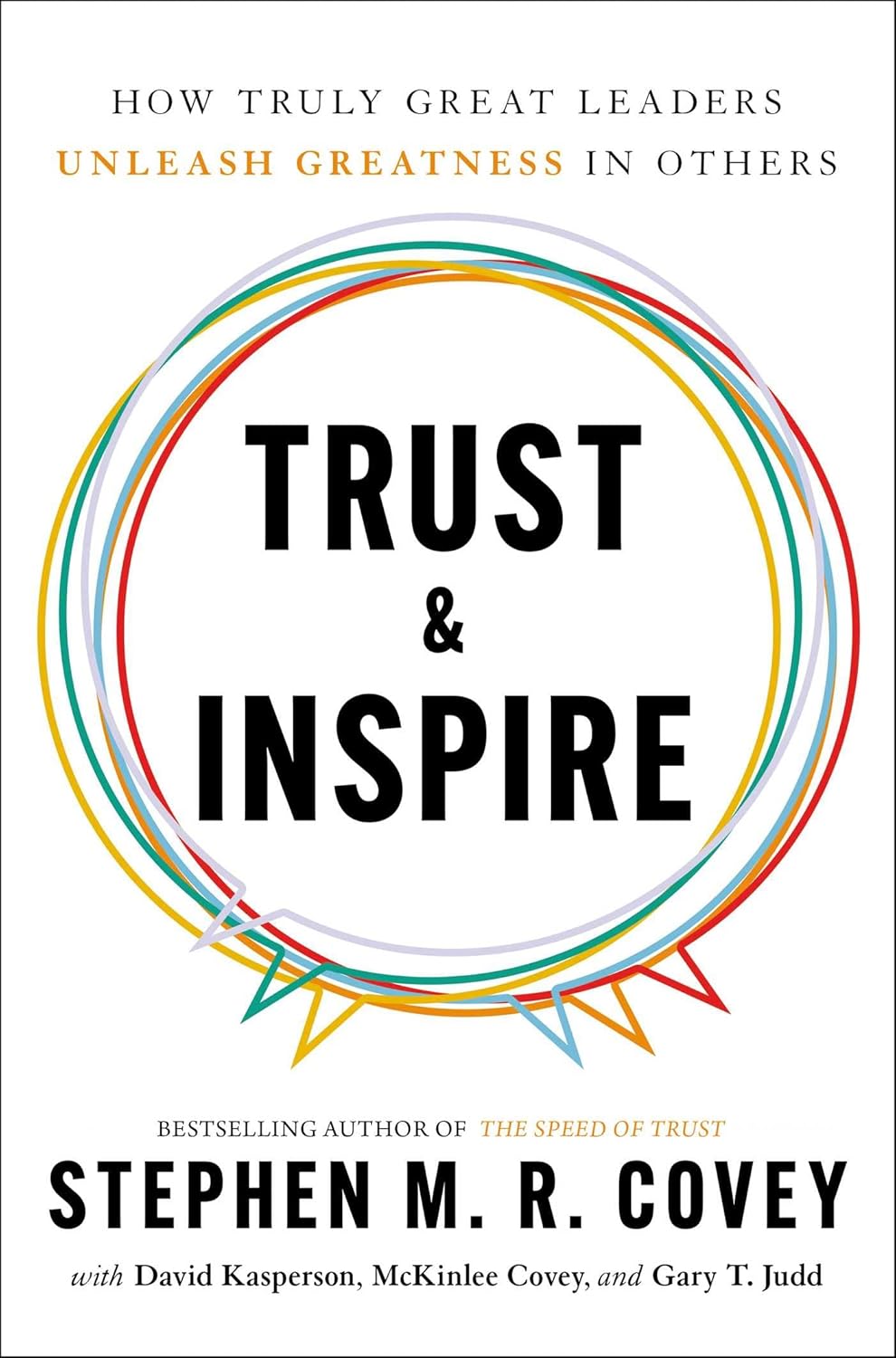
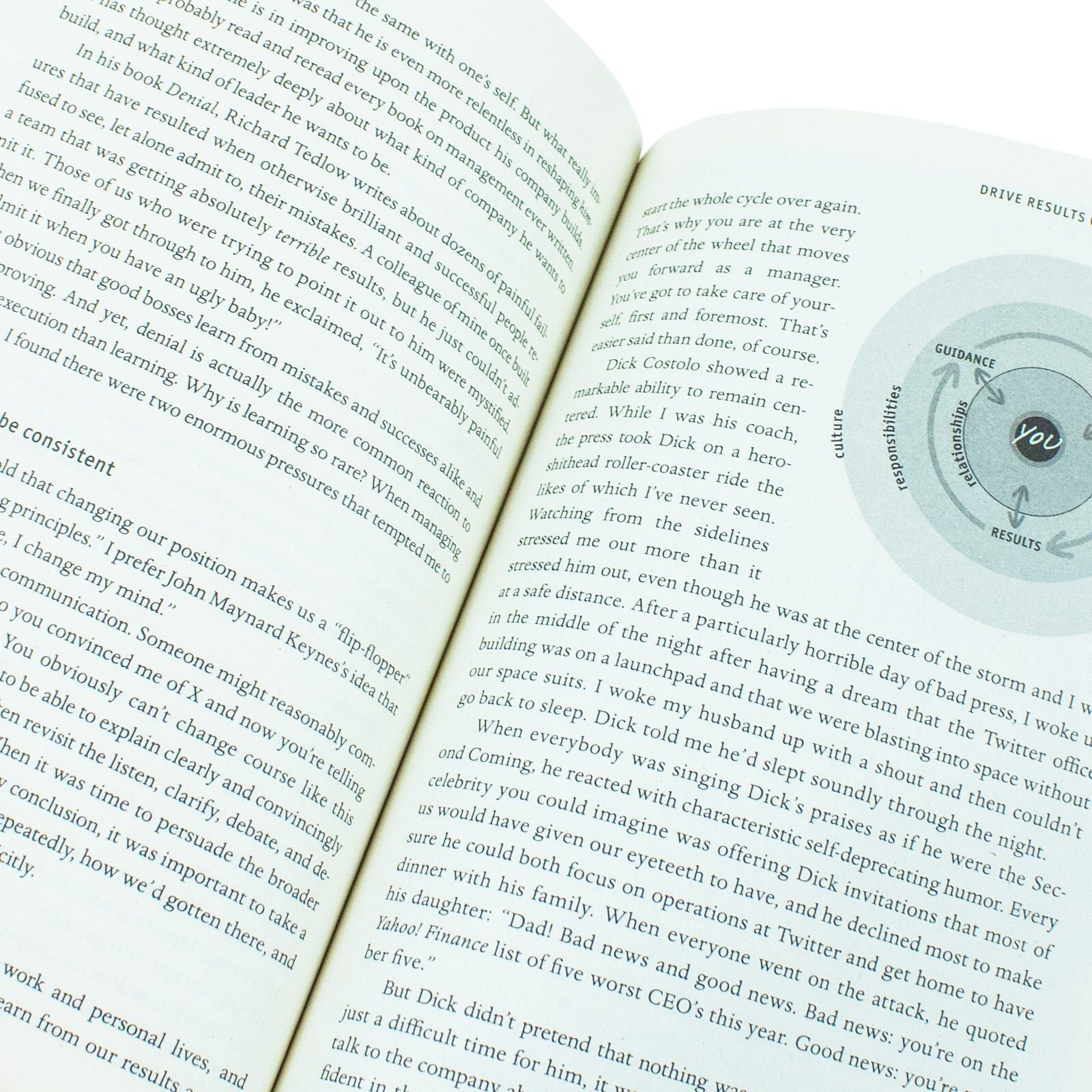
Simon & Schuster UK Trust & Inspire by Stephen M. R. Covey - Paperback - Leadership & Business Management BookTrust and Inspire by Stephen M. R. Covey is a compelling leadership book that challenges the outdated 'command and control' management style. Covey argues that leaders must evolve towards a 'trust and inspire' approach, built on mutual commitment, creativity, and collaboration. This paperback offers a practical, research-backed roadmap to transforming workplace culture and unlocking human potential. In the book, Covey draws on decades of research into trust within organisations to expose the shortcomings of traditional leadership models. He proposes a 'trust and inspire' style, which is more suitable for a world that has fundamentally changed. This book is ideal for managers, entrepreneurs, and anyone leading a team, as it provides a clear and actionable guide to improving leadership skills and building trust within an organisation. Published by Simon & Schuster UK, this book is a valuable resource for anyone looking to develop their leadership skills and improve their team's performance.8,99 £*Shipping: 2,99 £Secure redirect to the provider
-
Pan Macmillan Radical Candor by Kim Scott The Bestselling Leadership Book - Management, Feedback & Workplace Culture BookRadical Candor by Kim Scott is a groundbreaking leadership and communication guide that teaches how to give feedback effectively, build trust, and create high-performing teams without becoming harsh—or avoiding difficult conversations. Based on Scott’s experience at Google, Apple and Silicon Valley startups, Radical Candor introduces a simple but powerful framework built on two pillars: Care Personally Challenge Directly The book provides practical tools for giving honest feedback, fostering open communication, strengthening working relationships, and becoming a more compassionate and impactful leader. Perfect for managers, team leaders, HR professionals, and anyone wanting to build a healthy, productive workplace culture. Radical Candor is the perfect handbook for those who are looking to find meaning in their job and create an environment where people love both their work and their colleagues, and are motivated to strive to ever greater success.2,99 £*Shipping: 1,99 £Secure redirect to the provider
-
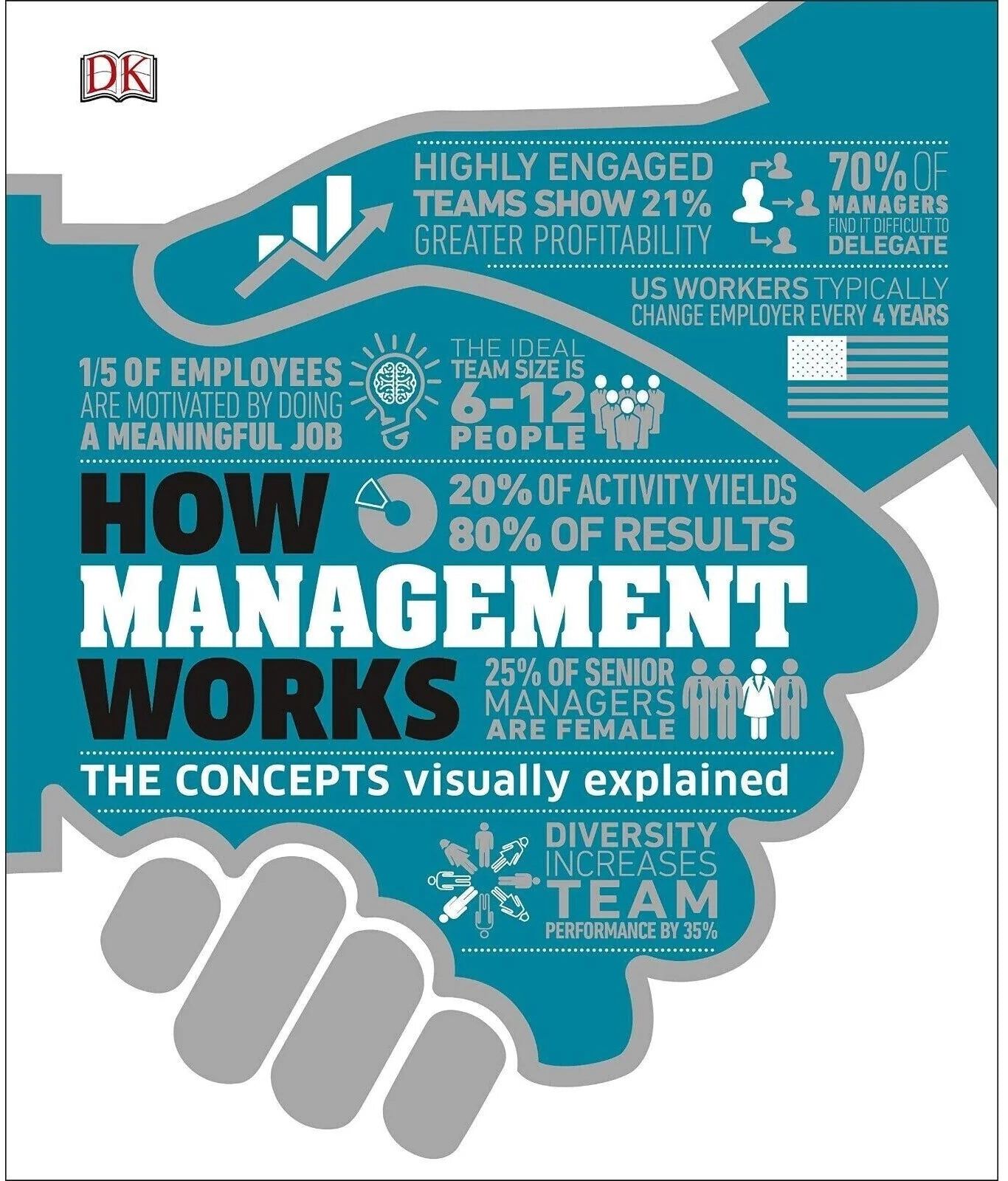
How Management Works: Concepts Visually Explained by DK - Hardback Non Fiction Business & Leadership Visual Guide for ManagersA definitive guide to modern management, 'How Management Works: Concepts Visually Explained' by DK offers clear explanations and bold diagrams to help you understand leadership, communication, strategy, team dynamics, and decision-making. This hardback book is ideal for new and experienced managers, business students, and anyone looking for a practical reference on effective team management. Published by DK as part of their 'How Things Work' visual series, it distills complex management theory into accessible guidance that you can apply immediately.13,49 £*Shipping: 2,99 £Secure redirect to the provider
-
Rupa Publications Lead With Words, Win With Action by Dale Carnegie - Paperback Business & Leadership Self-Help Book - Practical Guide to Influence, CommunicationLead With Words, Win With Action by Dale Carnegie is a practical guide to communicating with confidence and leading with impact. This paperback book distils the enduring principles of Dale Carnegie's philosophy of influence into a modern guide for anyone who wants to build trust, motivate others, and convert conversation into real results. It blends timeless wisdom with actionable strategies for the modern workplace. The book explores how the right combination of language, listening, and follow-through can transform everyday interactions into lasting influence. Chapters cover practical topics such as how to open a conversation, disagree without creating an enemy, and more. Published by Rupa Publications, this book is a concise and energising read for anyone looking to improve their communication skills and leadership abilities.2,99 £*Shipping: 2,99 £Secure redirect to the provider
-
What is the vertex distance in optometry?
The vertex distance in optometry refers to the distance between the back surface of the eyeglass lens and the front surface of the eye. It is an important factor in determining the prescription for eyeglasses, as the distance affects the way light is refracted by the lens and reaches the eye. The vertex distance is typically standardized at 12mm for most eyeglass prescriptions, but variations in this distance can impact the accuracy of the prescription. Therefore, optometrists must take the vertex distance into account when prescribing eyeglasses to ensure optimal vision correction for the patient. **
-
Did you pass the journeyman examination in optometry?
As an AI language model, I do not have the ability to take examinations or become licensed in any profession, including optometry. However, I can provide information and answer questions about the journeyman examination in optometry based on the knowledge I have been trained on. If you have specific questions about the examination or the optometry profession, feel free to ask and I will do my best to provide helpful information. **
-
What are the differences in axis values in optometry?
In optometry, there are two main axis values that are important when prescribing corrective lenses for astigmatism. The first axis value represents the orientation of the astigmatism, ranging from 0 to 180 degrees. The second axis value is used to determine the axis of the corrective lens needed to correct the astigmatism, also ranging from 0 to 180 degrees. These axis values are crucial in ensuring that the corrective lenses are properly aligned to provide clear vision for the individual. **
-
When do you fail the practical journeyman examination in optometry?
You fail the practical journeyman examination in optometry if you do not demonstrate the necessary skills and knowledge required to perform the tasks and procedures expected of a journeyman optometrist. This could include errors in conducting eye exams, inaccuracies in prescribing corrective lenses, or improper handling of equipment. Failing the practical examination indicates that you may not be ready to practice independently as a journeyman optometrist. **
When does one fail the practical journeyman examination in optometry?
One fails the practical journeyman examination in optometry if they do not demonstrate the necessary skills and knowledge required to perform optometric tasks and procedures effectively and safely. This could include errors in conducting eye exams, interpreting test results, prescribing corrective lenses, or communicating with patients. **
How do I prepare for the aptitude test for optometry?
To prepare for the aptitude test for optometry, it is important to review and practice basic math and science concepts, as well as critical thinking and problem-solving skills. You can use study guides and practice tests specifically designed for optometry aptitude tests to familiarize yourself with the format and types of questions you may encounter. Additionally, consider seeking out resources and study materials from reputable sources such as optometry schools or professional organizations. Finally, make sure to manage your time effectively and get plenty of rest before the test to ensure you are mentally prepared. **
Top-Angebote
Products related to Optometry:
-
Various Publishers How to Talk to Anyone, Next Conversation & Psychology of Management - 3 Book Paperback Set - Communication, Leadership & Management PsychologyThis 3-book collection set brings together three practical, people-focused reads for anyone who wants to communicate better and lead more effectively. Leil Lowndes' classic 'How to Talk to Anyone' pairs with Jefferson Fisher's 'Next Conversation' and a foundational 'Psychology of Management' title to cover everyday conversation, conflict resolution, and workplace psychology in one bundle. Whether you are prepping for interviews, managing a team, or simply want to feel more confident in social situations, this paperback set offers accessible, actionable guidance you can start using immediately. The set includes 'How to Talk to Anyone' by Leil Lowndes, 'Next Conversation' by Jefferson Fisher, and 'Psychology of Management'.20,99 £*Shipping: 2,99 £Secure redirect to the provider
-
MACMILLAN Kim Scott Collection 2 Books Set Radical Respect & Radical Candor – Leadership, Communication & Workplace Culture GuidesThe Kim Scott Collection – 2 Books Set brings together two transformative leadership bestsellers: Radical Respect and Radical Candor. Written by acclaimed workplace expert Kim Scott, these books offer practical, honest, and empowering guidance for building stronger teams, better communication, and healthier workplace cultures. In Radical Candor, Scott introduces her now-famous framework:Care Personally + Challenge Directly.Learn how to deliver feedback effectively, build trust, and lead with clarity without becoming overly harsh or avoiding difficult conversations. In Radical Respect, Scott expands on inclusion, fairness, accountability and anti-bullying frameworks—showing readers how to build workplaces rooted in dignity, psychological safety, and genuine respect. Together, these books provide a complete roadmap for leaders, managers, HR teams and anyone who wants to communicate better, lead with courage, and create workplaces where people thrive.6,99 £*Shipping: 2,99 £Secure redirect to the provider
-
Simon & Schuster UK Trust & Inspire by Stephen M. R. Covey - Paperback - Leadership & Business Management BookTrust and Inspire by Stephen M. R. Covey is a compelling leadership book that challenges the outdated 'command and control' management style. Covey argues that leaders must evolve towards a 'trust and inspire' approach, built on mutual commitment, creativity, and collaboration. This paperback offers a practical, research-backed roadmap to transforming workplace culture and unlocking human potential. In the book, Covey draws on decades of research into trust within organisations to expose the shortcomings of traditional leadership models. He proposes a 'trust and inspire' style, which is more suitable for a world that has fundamentally changed. This book is ideal for managers, entrepreneurs, and anyone leading a team, as it provides a clear and actionable guide to improving leadership skills and building trust within an organisation. Published by Simon & Schuster UK, this book is a valuable resource for anyone looking to develop their leadership skills and improve their team's performance.8,99 £*Shipping: 2,99 £Secure redirect to the provider
-
Pan Macmillan Radical Candor by Kim Scott The Bestselling Leadership Book - Management, Feedback & Workplace Culture BookRadical Candor by Kim Scott is a groundbreaking leadership and communication guide that teaches how to give feedback effectively, build trust, and create high-performing teams without becoming harsh—or avoiding difficult conversations. Based on Scott’s experience at Google, Apple and Silicon Valley startups, Radical Candor introduces a simple but powerful framework built on two pillars: Care Personally Challenge Directly The book provides practical tools for giving honest feedback, fostering open communication, strengthening working relationships, and becoming a more compassionate and impactful leader. Perfect for managers, team leaders, HR professionals, and anyone wanting to build a healthy, productive workplace culture. Radical Candor is the perfect handbook for those who are looking to find meaning in their job and create an environment where people love both their work and their colleagues, and are motivated to strive to ever greater success.2,99 £*Shipping: 1,99 £Secure redirect to the provider
-
What is the training for optometry?
Optometry training typically involves completing a Doctor of Optometry (OD) degree program, which usually takes four years to complete. During this program, students learn about the anatomy of the eye, various eye conditions, vision testing techniques, and how to prescribe and fit corrective lenses. In addition to classroom instruction, students also gain hands-on experience through clinical rotations in optometry clinics. After completing their degree, optometrists may choose to pursue additional specialized training through a residency program in a specific area of optometry. **
-
What is the vertex power in optometry?
The vertex power in optometry refers to the refractive power of a lens when it is placed in front of the eye at a specific distance known as the vertex distance. It takes into account the effect of the distance between the lens and the eye on the overall power of the lens. The vertex power is an important consideration when prescribing corrective lenses to ensure that the patient receives the correct refractive correction. **
-
What is the vertex distance in optometry?
The vertex distance in optometry refers to the distance between the back surface of the eyeglass lens and the front surface of the eye. It is an important factor in determining the prescription for eyeglasses, as the distance affects the way light is refracted by the lens and reaches the eye. The vertex distance is typically standardized at 12mm for most eyeglass prescriptions, but variations in this distance can impact the accuracy of the prescription. Therefore, optometrists must take the vertex distance into account when prescribing eyeglasses to ensure optimal vision correction for the patient. **
-
Did you pass the journeyman examination in optometry?
As an AI language model, I do not have the ability to take examinations or become licensed in any profession, including optometry. However, I can provide information and answer questions about the journeyman examination in optometry based on the knowledge I have been trained on. If you have specific questions about the examination or the optometry profession, feel free to ask and I will do my best to provide helpful information. **
Similar search terms for Optometry
-
How Management Works: Concepts Visually Explained by DK - Hardback Non Fiction Business & Leadership Visual Guide for ManagersA definitive guide to modern management, 'How Management Works: Concepts Visually Explained' by DK offers clear explanations and bold diagrams to help you understand leadership, communication, strategy, team dynamics, and decision-making. This hardback book is ideal for new and experienced managers, business students, and anyone looking for a practical reference on effective team management. Published by DK as part of their 'How Things Work' visual series, it distills complex management theory into accessible guidance that you can apply immediately.13,49 £*Shipping: 2,99 £Secure redirect to the provider
-
Rupa Publications Lead With Words, Win With Action by Dale Carnegie - Paperback Business & Leadership Self-Help Book - Practical Guide to Influence, CommunicationLead With Words, Win With Action by Dale Carnegie is a practical guide to communicating with confidence and leading with impact. This paperback book distils the enduring principles of Dale Carnegie's philosophy of influence into a modern guide for anyone who wants to build trust, motivate others, and convert conversation into real results. It blends timeless wisdom with actionable strategies for the modern workplace. The book explores how the right combination of language, listening, and follow-through can transform everyday interactions into lasting influence. Chapters cover practical topics such as how to open a conversation, disagree without creating an enemy, and more. Published by Rupa Publications, this book is a concise and energising read for anyone looking to improve their communication skills and leadership abilities.2,99 £*Shipping: 2,99 £Secure redirect to the provider
-
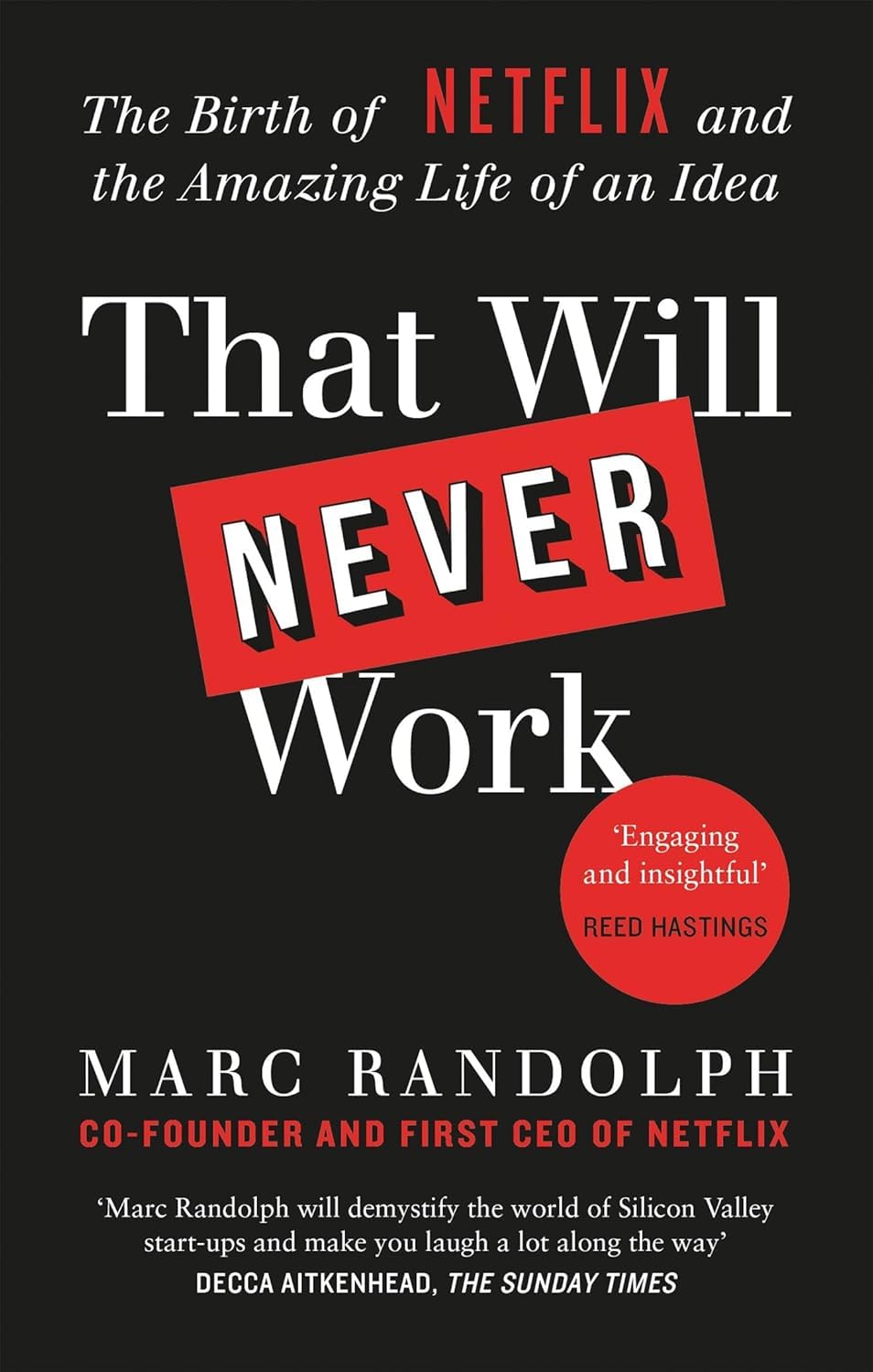
Various Publishers The Diary of a CEO, That Will Never Work & Fierce Conversations 3 Book Paperback Set - Business, Leadership & Communication Skills CollectionThis three-book paperback set brings together some of the sharpest voices in modern business thinking. The set includes The Diary of a CEO, That Will Never Work, and Fierce Conversations. Written by Steven Bartlett, Marc Randolph, and Susan Scott, these books offer timeless lessons from entrepreneurship and thousands of podcast conversations, the extraordinary true story of building Netflix from scratch, and the art of honest, high-impact conversation. Together they form a practical toolkit for anyone building a career, a company, or simply better relationships through clearer communication.29,99 £*Shipping: 2,99 £Secure redirect to the provider
-
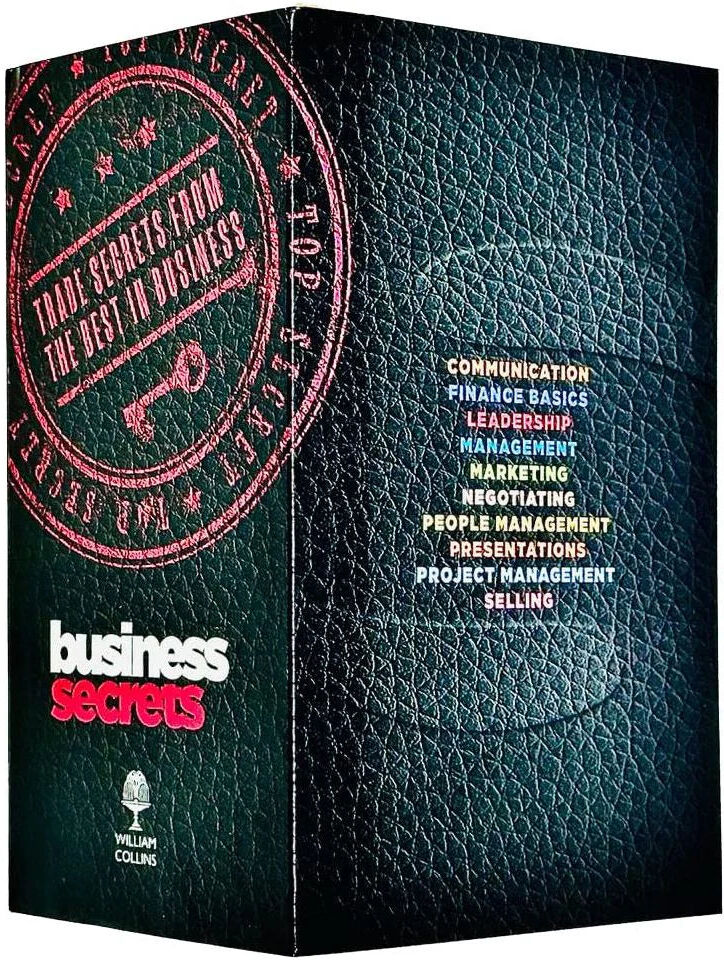
William Collins Collins Business Secrets 10 Books Collection Box Set - Various Authors - Paperback - Leadership, Finance, Marketing & Management GuidesThe Collins Business Secrets 10 Books Collection Box Set brings together ten pocket-sized guides from the trusted Collins Business Secrets series, each written by a specialist author. Covering communication, finance, leadership, management, marketing, negotiating, people management, presentations, project management, and selling, this brand new paperback set distills practical, jargon-free advice into quick, digestible reads. Ideal for professionals, managers, and students, it's a ready-made business library that fits neatly on a shelf and makes a thoughtful gift.14,99 £*Shipping: 2,99 £Secure redirect to the provider
-
What are the differences in axis values in optometry?
In optometry, there are two main axis values that are important when prescribing corrective lenses for astigmatism. The first axis value represents the orientation of the astigmatism, ranging from 0 to 180 degrees. The second axis value is used to determine the axis of the corrective lens needed to correct the astigmatism, also ranging from 0 to 180 degrees. These axis values are crucial in ensuring that the corrective lenses are properly aligned to provide clear vision for the individual. **
-
When do you fail the practical journeyman examination in optometry?
You fail the practical journeyman examination in optometry if you do not demonstrate the necessary skills and knowledge required to perform the tasks and procedures expected of a journeyman optometrist. This could include errors in conducting eye exams, inaccuracies in prescribing corrective lenses, or improper handling of equipment. Failing the practical examination indicates that you may not be ready to practice independently as a journeyman optometrist. **
-
When does one fail the practical journeyman examination in optometry?
One fails the practical journeyman examination in optometry if they do not demonstrate the necessary skills and knowledge required to perform optometric tasks and procedures effectively and safely. This could include errors in conducting eye exams, interpreting test results, prescribing corrective lenses, or communicating with patients. **
-
How do I prepare for the aptitude test for optometry?
To prepare for the aptitude test for optometry, it is important to review and practice basic math and science concepts, as well as critical thinking and problem-solving skills. You can use study guides and practice tests specifically designed for optometry aptitude tests to familiarize yourself with the format and types of questions you may encounter. Additionally, consider seeking out resources and study materials from reputable sources such as optometry schools or professional organizations. Finally, make sure to manage your time effectively and get plenty of rest before the test to ensure you are mentally prepared. **
* All prices are inclusive of VAT and, if applicable, plus shipping costs. The offer information is based on the details provided by the respective shop and is updated through automated processes. Real-time updates do not occur, so deviations can occur in individual cases. ** Note: Parts of this content were created by AI.