Buy teampro.eu ?
We are moving the project
teampro.eu .
Are you interested in purchasing the domain
teampro.eu ?
domain@kv-gmbh.de · 0541-91531010
Buy teampro.eu ?
Are Austrians Slavic?
No, Austrians are not Slavic. The majority of Austrians are of Germanic descent, with a significant minority of people from other ethnic backgrounds. The Slavic population in Austria is relatively small, primarily concentrated in the southern regions of the country near the border with Slovenia. Therefore, while there is some Slavic influence in Austria, the majority of the population is not of Slavic descent. **
Is Romania Slavic?
No, Romania is not a Slavic country. The majority of the population in Romania is of Romanian ethnicity, and the official language is Romanian, which is a Romance language. The Slavic people are primarily found in countries such as Russia, Ukraine, and Poland. While Romania has been influenced by Slavic culture and history, it is not considered a Slavic country. **

Similar search terms for Slavic
Top-Angebote
Products related to Slavic:
-
MACMILLAN Kim Scott Collection 2 Books Set Radical Respect & Radical Candor – Leadership, Communication & Workplace Culture GuidesThe Kim Scott Collection – 2 Books Set brings together two transformative leadership bestsellers: Radical Respect and Radical Candor. Written by acclaimed workplace expert Kim Scott, these books offer practical, honest, and empowering guidance for building stronger teams, better communication, and healthier workplace cultures. In Radical Candor, Scott introduces her now-famous framework:Care Personally + Challenge Directly.Learn how to deliver feedback effectively, build trust, and lead with clarity without becoming overly harsh or avoiding difficult conversations. In Radical Respect, Scott expands on inclusion, fairness, accountability and anti-bullying frameworks—showing readers how to build workplaces rooted in dignity, psychological safety, and genuine respect. Together, these books provide a complete roadmap for leaders, managers, HR teams and anyone who wants to communicate better, lead with courage, and create workplaces where people thrive.6,99 £*Shipping: 2,99 £Secure redirect to the provider
-
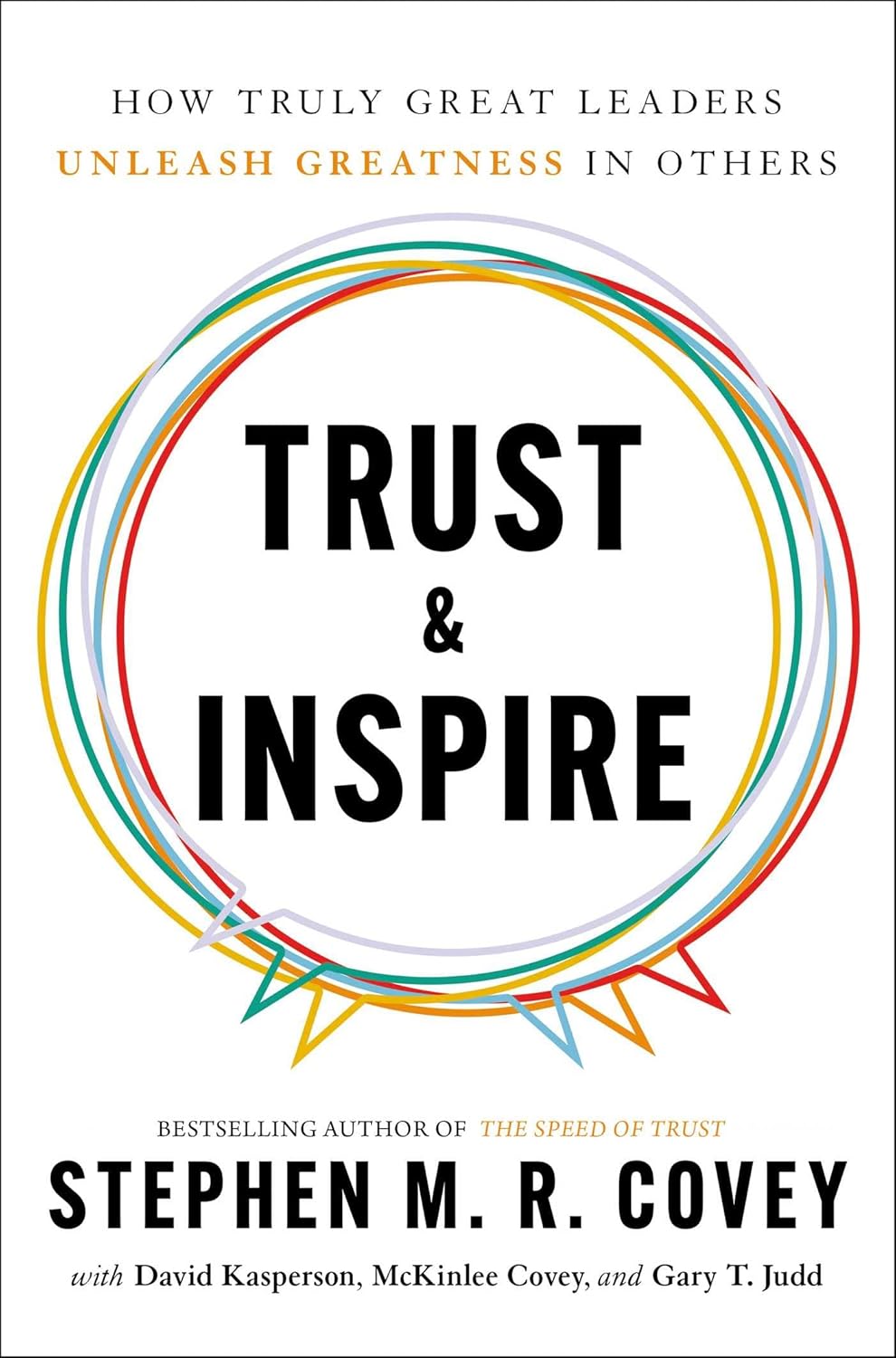
Simon & Schuster UK Trust & Inspire by Stephen M. R. Covey - Paperback - Leadership & Business Management BookTrust and Inspire by Stephen M. R. Covey is a compelling leadership book that challenges the outdated 'command and control' management style. Covey argues that leaders must evolve towards a 'trust and inspire' approach, built on mutual commitment, creativity, and collaboration. This paperback offers a practical, research-backed roadmap to transforming workplace culture and unlocking human potential. In the book, Covey draws on decades of research into trust within organisations to expose the shortcomings of traditional leadership models. He proposes a 'trust and inspire' style, which is more suitable for a world that has fundamentally changed. This book is ideal for managers, entrepreneurs, and anyone leading a team, as it provides a clear and actionable guide to improving leadership skills and building trust within an organisation. Published by Simon & Schuster UK, this book is a valuable resource for anyone looking to develop their leadership skills and improve their team's performance.8,99 £*Shipping: 2,99 £Secure redirect to the provider
-
Pan Macmillan Radical Candor by Kim Scott The Bestselling Leadership Book - Management, Feedback & Workplace Culture BookRadical Candor by Kim Scott is a groundbreaking leadership and communication guide that teaches how to give feedback effectively, build trust, and create high-performing teams without becoming harsh—or avoiding difficult conversations. Based on Scott’s experience at Google, Apple and Silicon Valley startups, Radical Candor introduces a simple but powerful framework built on two pillars: Care Personally Challenge Directly The book provides practical tools for giving honest feedback, fostering open communication, strengthening working relationships, and becoming a more compassionate and impactful leader. Perfect for managers, team leaders, HR professionals, and anyone wanting to build a healthy, productive workplace culture. Radical Candor is the perfect handbook for those who are looking to find meaning in their job and create an environment where people love both their work and their colleagues, and are motivated to strive to ever greater success.2,99 £*Shipping: 1,99 £Secure redirect to the provider
-
How Management Works: Concepts Visually Explained by DK - Hardback Non Fiction Business & Leadership Visual Guide for ManagersA definitive guide to modern management, 'How Management Works: Concepts Visually Explained' by DK offers clear explanations and bold diagrams to help you understand leadership, communication, strategy, team dynamics, and decision-making. This hardback book is ideal for new and experienced managers, business students, and anyone looking for a practical reference on effective team management. Published by DK as part of their 'How Things Work' visual series, it distills complex management theory into accessible guidance that you can apply immediately.13,49 £*Shipping: 2,99 £Secure redirect to the provider



-
Do you see right away that Slavic people are also Slavic?
No, it is not always immediately obvious that someone is Slavic just by looking at them. Slavic people come from a diverse range of countries and regions, and their physical appearances can vary widely. While some Slavic people may have common physical features, such as fair skin and light hair, there is no single "Slavic look" that can be used to identify someone as Slavic. It is important to remember that ethnicity and nationality are complex and multifaceted, and cannot be determined solely based on appearance. **
-
What are Slavic countries?
Slavic countries are nations in Eastern Europe and parts of Central Europe that are predominantly inhabited by people of Slavic descent. These countries share cultural, linguistic, and historical ties stemming from the Slavic ethnic group. Some examples of Slavic countries include Russia, Poland, Ukraine, Czech Republic, and Serbia. The Slavic languages, which are part of the larger Indo-European language family, are spoken in these countries and form a common thread among them. **
-
Is Slavic mythology underestimated?
Slavic mythology is often overlooked and underestimated in comparison to other mythologies such as Greek or Norse. This may be due to a lack of widespread knowledge and understanding of Slavic mythology outside of Eastern Europe. However, Slavic mythology is rich in folklore, deities, and epic tales that deserve more recognition and appreciation. As interest in diverse mythologies grows, there is an opportunity for Slavic mythology to receive the attention and respect it deserves. **
-
What is anti-Slavic racism?
Anti-Slavic racism refers to prejudice, discrimination, or hostility directed towards individuals of Slavic descent. This form of racism is based on negative stereotypes, misconceptions, and generalizations about Slavic people, often portraying them as inferior or undesirable. Anti-Slavic racism can manifest in various ways, such as hate speech, violence, or systemic discrimination targeting Slavic communities. It is important to recognize and challenge anti-Slavic racism to promote equality, understanding, and respect for all individuals regardless of their ethnic background. **


Do I have Slavic roots?
Without more specific information about your family history and genealogy, it is difficult to definitively determine if you have Slavic roots. Slavic people are an ethnic group native to Eastern Europe, so if your ancestors come from countries such as Russia, Poland, Ukraine, Czech Republic, or other Slavic nations, it is possible that you have Slavic roots. Researching your family history, speaking with relatives, and possibly taking a DNA test could provide more insight into your ancestry and whether you have Slavic heritage. **
Are Austrians Germanic or Slavic?
Austrians are considered to be primarily Germanic. The majority of the population in Austria speaks German as their first language and shares cultural and historical ties with other Germanic-speaking countries. However, due to its location in Central Europe, Austria has also been influenced by Slavic cultures, particularly in regions bordering countries like Slovenia and the Czech Republic. **
Top-Angebote
Products related to Slavic:
-
Various Publishers How to Talk to Anyone, Next Conversation & Psychology of Management - 3 Book Paperback Set - Communication, Leadership & Management PsychologyThis 3-book collection set brings together three practical, people-focused reads for anyone who wants to communicate better and lead more effectively. Leil Lowndes' classic 'How to Talk to Anyone' pairs with Jefferson Fisher's 'Next Conversation' and a foundational 'Psychology of Management' title to cover everyday conversation, conflict resolution, and workplace psychology in one bundle. Whether you are prepping for interviews, managing a team, or simply want to feel more confident in social situations, this paperback set offers accessible, actionable guidance you can start using immediately. The set includes 'How to Talk to Anyone' by Leil Lowndes, 'Next Conversation' by Jefferson Fisher, and 'Psychology of Management'.20,99 £*Shipping: 2,99 £Secure redirect to the provider
-
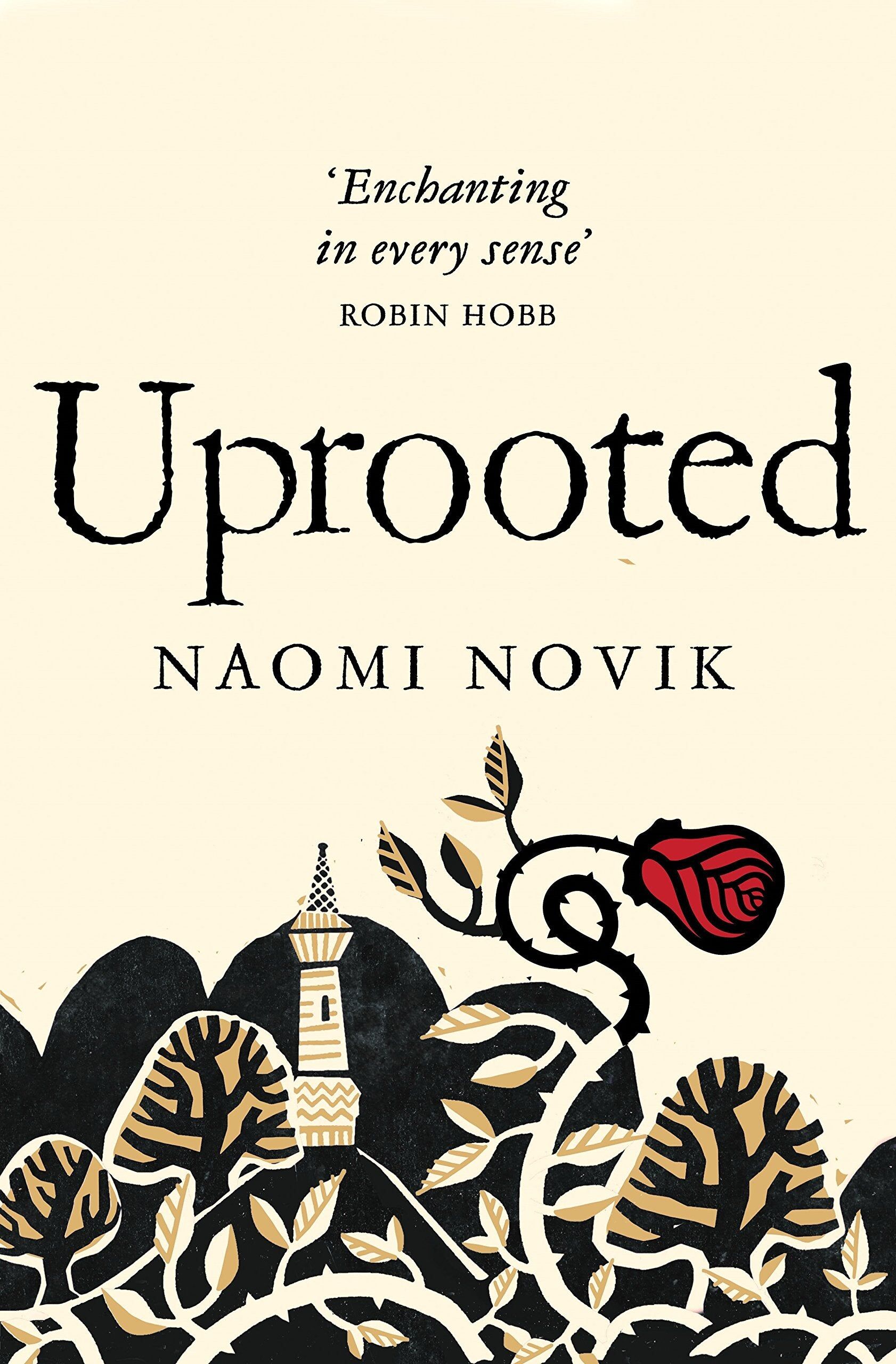
Pan Books Uprooted by Naomi Novik - Award-Winning Slavic Folklore Fantasy Novel - New Paperback Edition, Nebula Award WinnerUprooted is Naomi Novik's award-winning standalone fantasy novel, a spellbinding tale inspired by Slavic folklore and fairy tales. This UK paperback edition, published by Pan Books (ISBN: 9781447294146), follows village girl Agnieszka as she is drawn into the service of a mysterious wizard known as the Dragon. Rich in atmosphere, folklore, and quiet heroism, it's a must-read for fantasy fans. The story takes place in a valley that lies in the shadow of the Wood, a corrupted, malevolent forest that swallows travellers whole and returns them changed, if it returns them at all. The only defence against the Wood's creeping evil is the Dragon, an ageless wizard who guards the valley from his tower - but who exacts a price. Once every ten years, he takes a young woman from the villages to serve him.2,99 £*Shipping: 2,99 £Secure redirect to the provider
-
MACMILLAN Kim Scott Collection 2 Books Set Radical Respect & Radical Candor – Leadership, Communication & Workplace Culture GuidesThe Kim Scott Collection – 2 Books Set brings together two transformative leadership bestsellers: Radical Respect and Radical Candor. Written by acclaimed workplace expert Kim Scott, these books offer practical, honest, and empowering guidance for building stronger teams, better communication, and healthier workplace cultures. In Radical Candor, Scott introduces her now-famous framework:Care Personally + Challenge Directly.Learn how to deliver feedback effectively, build trust, and lead with clarity without becoming overly harsh or avoiding difficult conversations. In Radical Respect, Scott expands on inclusion, fairness, accountability and anti-bullying frameworks—showing readers how to build workplaces rooted in dignity, psychological safety, and genuine respect. Together, these books provide a complete roadmap for leaders, managers, HR teams and anyone who wants to communicate better, lead with courage, and create workplaces where people thrive.6,99 £*Shipping: 2,99 £Secure redirect to the provider
-
Simon & Schuster UK Trust & Inspire by Stephen M. R. Covey - Paperback - Leadership & Business Management BookTrust and Inspire by Stephen M. R. Covey is a compelling leadership book that challenges the outdated 'command and control' management style. Covey argues that leaders must evolve towards a 'trust and inspire' approach, built on mutual commitment, creativity, and collaboration. This paperback offers a practical, research-backed roadmap to transforming workplace culture and unlocking human potential. In the book, Covey draws on decades of research into trust within organisations to expose the shortcomings of traditional leadership models. He proposes a 'trust and inspire' style, which is more suitable for a world that has fundamentally changed. This book is ideal for managers, entrepreneurs, and anyone leading a team, as it provides a clear and actionable guide to improving leadership skills and building trust within an organisation. Published by Simon & Schuster UK, this book is a valuable resource for anyone looking to develop their leadership skills and improve their team's performance.8,99 £*Shipping: 2,99 £Secure redirect to the provider
-
Are Austrians Slavic?
No, Austrians are not Slavic. The majority of Austrians are of Germanic descent, with a significant minority of people from other ethnic backgrounds. The Slavic population in Austria is relatively small, primarily concentrated in the southern regions of the country near the border with Slovenia. Therefore, while there is some Slavic influence in Austria, the majority of the population is not of Slavic descent. **
-
Is Romania Slavic?
No, Romania is not a Slavic country. The majority of the population in Romania is of Romanian ethnicity, and the official language is Romanian, which is a Romance language. The Slavic people are primarily found in countries such as Russia, Ukraine, and Poland. While Romania has been influenced by Slavic culture and history, it is not considered a Slavic country. **
-
Do you see right away that Slavic people are also Slavic?
No, it is not always immediately obvious that someone is Slavic just by looking at them. Slavic people come from a diverse range of countries and regions, and their physical appearances can vary widely. While some Slavic people may have common physical features, such as fair skin and light hair, there is no single "Slavic look" that can be used to identify someone as Slavic. It is important to remember that ethnicity and nationality are complex and multifaceted, and cannot be determined solely based on appearance. **
-
What are Slavic countries?
Slavic countries are nations in Eastern Europe and parts of Central Europe that are predominantly inhabited by people of Slavic descent. These countries share cultural, linguistic, and historical ties stemming from the Slavic ethnic group. Some examples of Slavic countries include Russia, Poland, Ukraine, Czech Republic, and Serbia. The Slavic languages, which are part of the larger Indo-European language family, are spoken in these countries and form a common thread among them. **
Similar search terms for Slavic
-
Pan Macmillan Radical Candor by Kim Scott The Bestselling Leadership Book - Management, Feedback & Workplace Culture BookRadical Candor by Kim Scott is a groundbreaking leadership and communication guide that teaches how to give feedback effectively, build trust, and create high-performing teams without becoming harsh—or avoiding difficult conversations. Based on Scott’s experience at Google, Apple and Silicon Valley startups, Radical Candor introduces a simple but powerful framework built on two pillars: Care Personally Challenge Directly The book provides practical tools for giving honest feedback, fostering open communication, strengthening working relationships, and becoming a more compassionate and impactful leader. Perfect for managers, team leaders, HR professionals, and anyone wanting to build a healthy, productive workplace culture. Radical Candor is the perfect handbook for those who are looking to find meaning in their job and create an environment where people love both their work and their colleagues, and are motivated to strive to ever greater success.2,99 £*Shipping: 1,99 £Secure redirect to the provider
-
How Management Works: Concepts Visually Explained by DK - Hardback Non Fiction Business & Leadership Visual Guide for ManagersA definitive guide to modern management, 'How Management Works: Concepts Visually Explained' by DK offers clear explanations and bold diagrams to help you understand leadership, communication, strategy, team dynamics, and decision-making. This hardback book is ideal for new and experienced managers, business students, and anyone looking for a practical reference on effective team management. Published by DK as part of their 'How Things Work' visual series, it distills complex management theory into accessible guidance that you can apply immediately.13,49 £*Shipping: 2,99 £Secure redirect to the provider
-
Various Publishers The Diary of a CEO, That Will Never Work & Fierce Conversations 3 Book Paperback Set - Business, Leadership & Communication Skills CollectionThis three-book paperback set brings together some of the sharpest voices in modern business thinking. The set includes The Diary of a CEO, That Will Never Work, and Fierce Conversations. Written by Steven Bartlett, Marc Randolph, and Susan Scott, these books offer timeless lessons from entrepreneurship and thousands of podcast conversations, the extraordinary true story of building Netflix from scratch, and the art of honest, high-impact conversation. Together they form a practical toolkit for anyone building a career, a company, or simply better relationships through clearer communication.29,99 £*Shipping: 2,99 £Secure redirect to the provider
-
Rupa Publications Lead With Words, Win With Action by Dale Carnegie - Paperback Business & Leadership Self-Help Book - Practical Guide to Influence, CommunicationLead With Words, Win With Action by Dale Carnegie is a practical guide to communicating with confidence and leading with impact. This paperback book distils the enduring principles of Dale Carnegie's philosophy of influence into a modern guide for anyone who wants to build trust, motivate others, and convert conversation into real results. It blends timeless wisdom with actionable strategies for the modern workplace. The book explores how the right combination of language, listening, and follow-through can transform everyday interactions into lasting influence. Chapters cover practical topics such as how to open a conversation, disagree without creating an enemy, and more. Published by Rupa Publications, this book is a concise and energising read for anyone looking to improve their communication skills and leadership abilities.2,99 £*Shipping: 2,99 £Secure redirect to the provider
-
Is Slavic mythology underestimated?
Slavic mythology is often overlooked and underestimated in comparison to other mythologies such as Greek or Norse. This may be due to a lack of widespread knowledge and understanding of Slavic mythology outside of Eastern Europe. However, Slavic mythology is rich in folklore, deities, and epic tales that deserve more recognition and appreciation. As interest in diverse mythologies grows, there is an opportunity for Slavic mythology to receive the attention and respect it deserves. **
-
What is anti-Slavic racism?
Anti-Slavic racism refers to prejudice, discrimination, or hostility directed towards individuals of Slavic descent. This form of racism is based on negative stereotypes, misconceptions, and generalizations about Slavic people, often portraying them as inferior or undesirable. Anti-Slavic racism can manifest in various ways, such as hate speech, violence, or systemic discrimination targeting Slavic communities. It is important to recognize and challenge anti-Slavic racism to promote equality, understanding, and respect for all individuals regardless of their ethnic background. **
-
Do I have Slavic roots?
Without more specific information about your family history and genealogy, it is difficult to definitively determine if you have Slavic roots. Slavic people are an ethnic group native to Eastern Europe, so if your ancestors come from countries such as Russia, Poland, Ukraine, Czech Republic, or other Slavic nations, it is possible that you have Slavic roots. Researching your family history, speaking with relatives, and possibly taking a DNA test could provide more insight into your ancestry and whether you have Slavic heritage. **
-
Are Austrians Germanic or Slavic?
Austrians are considered to be primarily Germanic. The majority of the population in Austria speaks German as their first language and shares cultural and historical ties with other Germanic-speaking countries. However, due to its location in Central Europe, Austria has also been influenced by Slavic cultures, particularly in regions bordering countries like Slovenia and the Czech Republic. **
* All prices are inclusive of VAT and, if applicable, plus shipping costs. The offer information is based on the details provided by the respective shop and is updated through automated processes. Real-time updates do not occur, so deviations can occur in individual cases. ** Note: Parts of this content were created by AI.