Buy teampro.eu ?
We are moving the project
teampro.eu .
Are you interested in purchasing the domain
teampro.eu ?
domain@kv-gmbh.de · 0541-91531010
Buy teampro.eu ?
What is a UML association?
A UML association is a relationship between two or more classes in a UML diagram. It represents how the classes are connected or interact with each other. Associations can have attributes, such as multiplicity, which specify the number of instances of one class that are related to instances of another class. Associations can also be uni-directional or bi-directional, indicating the flow of communication between the classes. Overall, UML associations help to visualize and understand the connections between different classes in a system. **
What is your question about UML?
My question about UML is how to effectively use it to model complex systems and communicate design ideas with stakeholders. I want to understand the best practices for creating UML diagrams, such as class diagrams, sequence diagrams, and activity diagrams, and how to ensure they accurately represent the system being designed. Additionally, I am interested in learning how to use UML to document and analyze requirements, and how to integrate UML with other software development methodologies and tools. **


Similar search terms for Uml
Top-Angebote
Products related to Uml:
-
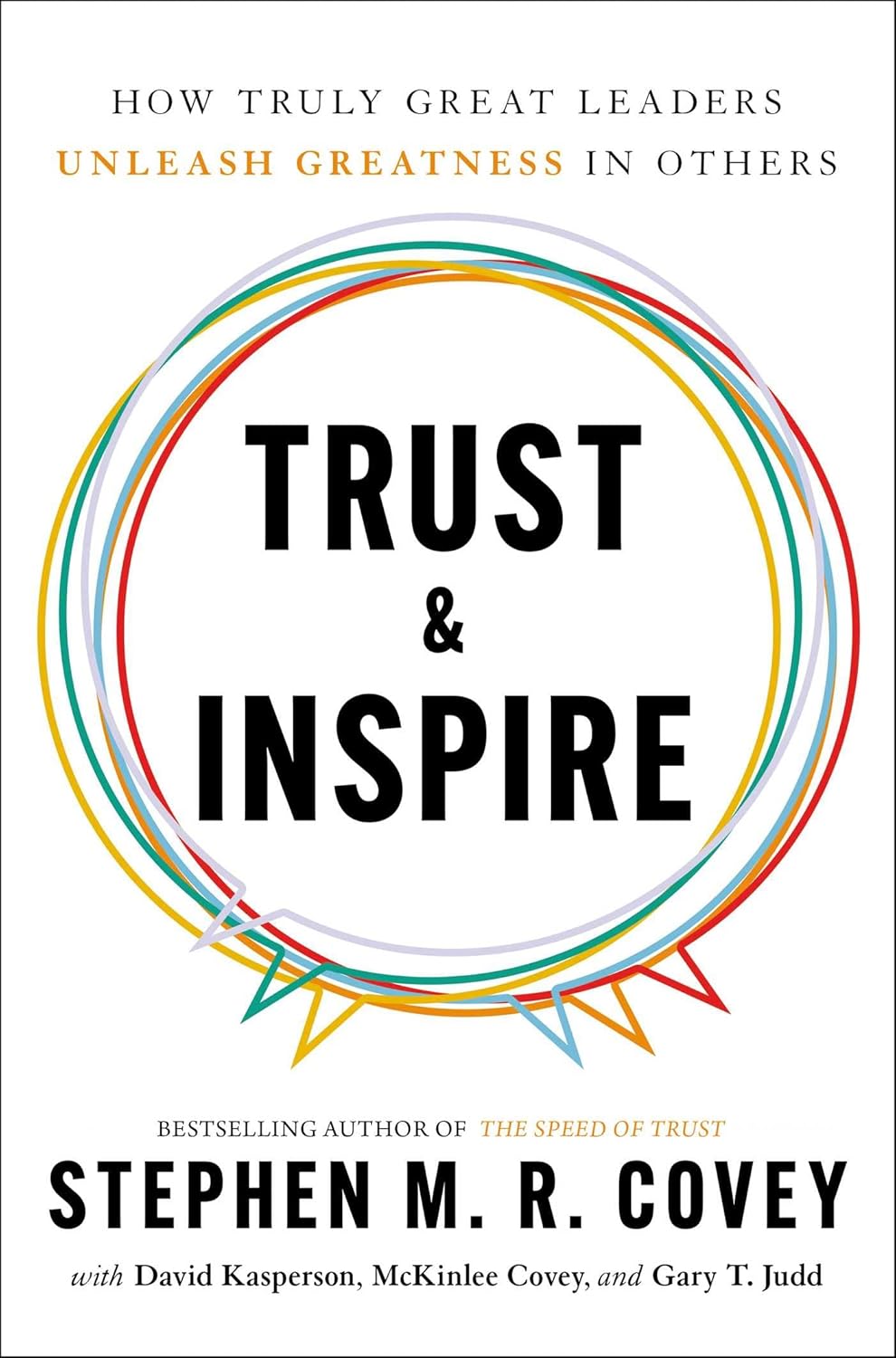
Simon & Schuster UK Trust & Inspire by Stephen M. R. Covey - Paperback - Leadership & Business Management BookTrust and Inspire by Stephen M. R. Covey is a compelling leadership book that challenges the outdated 'command and control' management style. Covey argues that leaders must evolve towards a 'trust and inspire' approach, built on mutual commitment, creativity, and collaboration. This paperback offers a practical, research-backed roadmap to transforming workplace culture and unlocking human potential. In the book, Covey draws on decades of research into trust within organisations to expose the shortcomings of traditional leadership models. He proposes a 'trust and inspire' style, which is more suitable for a world that has fundamentally changed. This book is ideal for managers, entrepreneurs, and anyone leading a team, as it provides a clear and actionable guide to improving leadership skills and building trust within an organisation. Published by Simon & Schuster UK, this book is a valuable resource for anyone looking to develop their leadership skills and improve their team's performance.8,99 £*Shipping: 2,99 £Secure redirect to the provider
-
Pan Macmillan Radical Candor by Kim Scott The Bestselling Leadership Book - Management, Feedback & Workplace Culture BookRadical Candor by Kim Scott is a groundbreaking leadership and communication guide that teaches how to give feedback effectively, build trust, and create high-performing teams without becoming harsh—or avoiding difficult conversations. Based on Scott’s experience at Google, Apple and Silicon Valley startups, Radical Candor introduces a simple but powerful framework built on two pillars: Care Personally Challenge Directly The book provides practical tools for giving honest feedback, fostering open communication, strengthening working relationships, and becoming a more compassionate and impactful leader. Perfect for managers, team leaders, HR professionals, and anyone wanting to build a healthy, productive workplace culture. Radical Candor is the perfect handbook for those who are looking to find meaning in their job and create an environment where people love both their work and their colleagues, and are motivated to strive to ever greater success.2,99 £*Shipping: 1,99 £Secure redirect to the provider
-
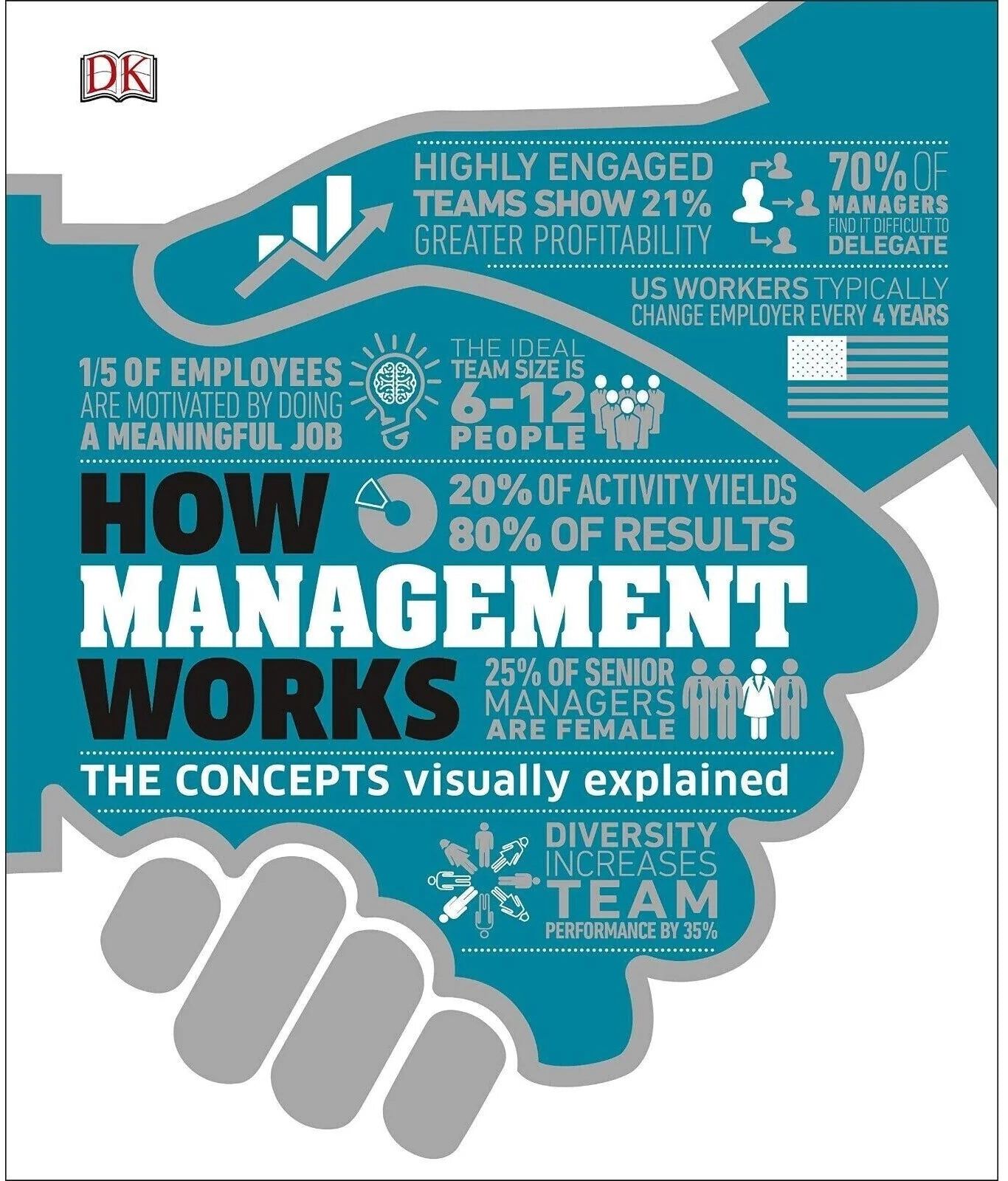
How Management Works: Concepts Visually Explained by DK - Hardback Non Fiction Business & Leadership Visual Guide for ManagersA definitive guide to modern management, 'How Management Works: Concepts Visually Explained' by DK offers clear explanations and bold diagrams to help you understand leadership, communication, strategy, team dynamics, and decision-making. This hardback book is ideal for new and experienced managers, business students, and anyone looking for a practical reference on effective team management. Published by DK as part of their 'How Things Work' visual series, it distills complex management theory into accessible guidance that you can apply immediately.13,49 £*Shipping: 2,99 £Secure redirect to the provider
-
Various Publishers The Diary of a CEO, That Will Never Work & Fierce Conversations 3 Book Paperback Set - Business, Leadership & Communication Skills CollectionThis three-book paperback set brings together some of the sharpest voices in modern business thinking. The set includes The Diary of a CEO, That Will Never Work, and Fierce Conversations. Written by Steven Bartlett, Marc Randolph, and Susan Scott, these books offer timeless lessons from entrepreneurship and thousands of podcast conversations, the extraordinary true story of building Netflix from scratch, and the art of honest, high-impact conversation. Together they form a practical toolkit for anyone building a career, a company, or simply better relationships through clearer communication.29,99 £*Shipping: 2,99 £Secure redirect to the provider


-
How are inner classes represented in UML?
Inner classes in UML are represented by nesting the inner class within the outer class. This is typically shown by drawing the inner class inside the outer class, with a dashed line connecting them to indicate the containment relationship. The name of the inner class is usually preceded by a "+" or "-" sign to indicate its visibility, and it may also include its attributes and methods. This representation helps to visually convey the relationship between the inner class and its containing class. **
-
How to create a UML class diagram?
To create a UML class diagram, start by identifying the classes in the system and their relationships. Then, use a UML modeling tool or software to create a new class diagram. Add classes as boxes with three compartments: the top compartment contains the class name, the middle compartment contains the attributes, and the bottom compartment contains the methods. Connect the classes with lines to represent their relationships, such as associations, inheritance, or dependencies. Finally, add multiplicity and role names to the associations to further clarify the relationships between the classes. **
-
How are XML, UML, and HTML related?
XML, UML, and HTML are all related to the representation and organization of data and information. XML (eXtensible Markup Language) is a markup language used to store and transport data, while UML (Unified Modeling Language) is a visual modeling language used to design and document software systems. HTML (Hypertext Markup Language) is a markup language used to create web pages and display content on the internet. While XML and UML are more focused on data and system modeling, HTML is focused on presenting content on the web. All three languages use markup to define the structure and organization of data and information. **
-
How do you represent inner classes in UML?
In UML, inner classes are represented by nesting the inner class within the outer class. This is typically shown by drawing the inner class within the boundary of the outer class. The inner class is connected to the outer class with a dashed line to indicate the containment relationship. The name of the inner class is usually preceded by a "+" symbol to indicate that it is a public member of the outer class. **
How to create a UML diagram for subinterfaces?
To create a UML diagram for subinterfaces, you can start by creating a class diagram that represents the main interface and its subinterfaces. Use the generalization relationship to show that the subinterfaces inherit from the main interface. You can also use interfaces and classes to represent the methods and attributes of each interface. Additionally, you can use stereotypes to indicate that a particular interface is a subinterface. Finally, you can use notes or comments to provide additional information about the relationships between the main interface and its subinterfaces. **
Where is the best place to learn UML?
The best place to learn UML is through online courses and tutorials offered by reputable platforms such as Udemy, Coursera, or Pluralsight. These platforms offer a variety of UML courses taught by experienced instructors, providing a comprehensive and structured learning experience. Additionally, there are many books and resources available that cover UML in depth, such as "UML Distilled" by Martin Fowler. It's also beneficial to practice applying UML in real-world scenarios through projects and exercises to solidify your understanding. **
Top-Angebote
Products related to Uml:
-
Various Publishers How to Talk to Anyone, Next Conversation & Psychology of Management - 3 Book Paperback Set - Communication, Leadership & Management PsychologyThis 3-book collection set brings together three practical, people-focused reads for anyone who wants to communicate better and lead more effectively. Leil Lowndes' classic 'How to Talk to Anyone' pairs with Jefferson Fisher's 'Next Conversation' and a foundational 'Psychology of Management' title to cover everyday conversation, conflict resolution, and workplace psychology in one bundle. Whether you are prepping for interviews, managing a team, or simply want to feel more confident in social situations, this paperback set offers accessible, actionable guidance you can start using immediately. The set includes 'How to Talk to Anyone' by Leil Lowndes, 'Next Conversation' by Jefferson Fisher, and 'Psychology of Management'.20,99 £*Shipping: 2,99 £Secure redirect to the provider
-
MACMILLAN Kim Scott Collection 2 Books Set Radical Respect & Radical Candor – Leadership, Communication & Workplace Culture GuidesThe Kim Scott Collection – 2 Books Set brings together two transformative leadership bestsellers: Radical Respect and Radical Candor. Written by acclaimed workplace expert Kim Scott, these books offer practical, honest, and empowering guidance for building stronger teams, better communication, and healthier workplace cultures. In Radical Candor, Scott introduces her now-famous framework:Care Personally + Challenge Directly.Learn how to deliver feedback effectively, build trust, and lead with clarity without becoming overly harsh or avoiding difficult conversations. In Radical Respect, Scott expands on inclusion, fairness, accountability and anti-bullying frameworks—showing readers how to build workplaces rooted in dignity, psychological safety, and genuine respect. Together, these books provide a complete roadmap for leaders, managers, HR teams and anyone who wants to communicate better, lead with courage, and create workplaces where people thrive.6,99 £*Shipping: 2,99 £Secure redirect to the provider
-
Simon & Schuster UK Trust & Inspire by Stephen M. R. Covey - Paperback - Leadership & Business Management BookTrust and Inspire by Stephen M. R. Covey is a compelling leadership book that challenges the outdated 'command and control' management style. Covey argues that leaders must evolve towards a 'trust and inspire' approach, built on mutual commitment, creativity, and collaboration. This paperback offers a practical, research-backed roadmap to transforming workplace culture and unlocking human potential. In the book, Covey draws on decades of research into trust within organisations to expose the shortcomings of traditional leadership models. He proposes a 'trust and inspire' style, which is more suitable for a world that has fundamentally changed. This book is ideal for managers, entrepreneurs, and anyone leading a team, as it provides a clear and actionable guide to improving leadership skills and building trust within an organisation. Published by Simon & Schuster UK, this book is a valuable resource for anyone looking to develop their leadership skills and improve their team's performance.8,99 £*Shipping: 2,99 £Secure redirect to the provider
-
Pan Macmillan Radical Candor by Kim Scott The Bestselling Leadership Book - Management, Feedback & Workplace Culture BookRadical Candor by Kim Scott is a groundbreaking leadership and communication guide that teaches how to give feedback effectively, build trust, and create high-performing teams without becoming harsh—or avoiding difficult conversations. Based on Scott’s experience at Google, Apple and Silicon Valley startups, Radical Candor introduces a simple but powerful framework built on two pillars: Care Personally Challenge Directly The book provides practical tools for giving honest feedback, fostering open communication, strengthening working relationships, and becoming a more compassionate and impactful leader. Perfect for managers, team leaders, HR professionals, and anyone wanting to build a healthy, productive workplace culture. Radical Candor is the perfect handbook for those who are looking to find meaning in their job and create an environment where people love both their work and their colleagues, and are motivated to strive to ever greater success.2,99 £*Shipping: 1,99 £Secure redirect to the provider
-
What is a UML association?
A UML association is a relationship between two or more classes in a UML diagram. It represents how the classes are connected or interact with each other. Associations can have attributes, such as multiplicity, which specify the number of instances of one class that are related to instances of another class. Associations can also be uni-directional or bi-directional, indicating the flow of communication between the classes. Overall, UML associations help to visualize and understand the connections between different classes in a system. **
-
What is your question about UML?
My question about UML is how to effectively use it to model complex systems and communicate design ideas with stakeholders. I want to understand the best practices for creating UML diagrams, such as class diagrams, sequence diagrams, and activity diagrams, and how to ensure they accurately represent the system being designed. Additionally, I am interested in learning how to use UML to document and analyze requirements, and how to integrate UML with other software development methodologies and tools. **
-
How are inner classes represented in UML?
Inner classes in UML are represented by nesting the inner class within the outer class. This is typically shown by drawing the inner class inside the outer class, with a dashed line connecting them to indicate the containment relationship. The name of the inner class is usually preceded by a "+" or "-" sign to indicate its visibility, and it may also include its attributes and methods. This representation helps to visually convey the relationship between the inner class and its containing class. **
-
How to create a UML class diagram?
To create a UML class diagram, start by identifying the classes in the system and their relationships. Then, use a UML modeling tool or software to create a new class diagram. Add classes as boxes with three compartments: the top compartment contains the class name, the middle compartment contains the attributes, and the bottom compartment contains the methods. Connect the classes with lines to represent their relationships, such as associations, inheritance, or dependencies. Finally, add multiplicity and role names to the associations to further clarify the relationships between the classes. **
Similar search terms for Uml
-
How Management Works: Concepts Visually Explained by DK - Hardback Non Fiction Business & Leadership Visual Guide for ManagersA definitive guide to modern management, 'How Management Works: Concepts Visually Explained' by DK offers clear explanations and bold diagrams to help you understand leadership, communication, strategy, team dynamics, and decision-making. This hardback book is ideal for new and experienced managers, business students, and anyone looking for a practical reference on effective team management. Published by DK as part of their 'How Things Work' visual series, it distills complex management theory into accessible guidance that you can apply immediately.13,49 £*Shipping: 2,99 £Secure redirect to the provider
-
Various Publishers The Diary of a CEO, That Will Never Work & Fierce Conversations 3 Book Paperback Set - Business, Leadership & Communication Skills CollectionThis three-book paperback set brings together some of the sharpest voices in modern business thinking. The set includes The Diary of a CEO, That Will Never Work, and Fierce Conversations. Written by Steven Bartlett, Marc Randolph, and Susan Scott, these books offer timeless lessons from entrepreneurship and thousands of podcast conversations, the extraordinary true story of building Netflix from scratch, and the art of honest, high-impact conversation. Together they form a practical toolkit for anyone building a career, a company, or simply better relationships through clearer communication.29,99 £*Shipping: 2,99 £Secure redirect to the provider
-
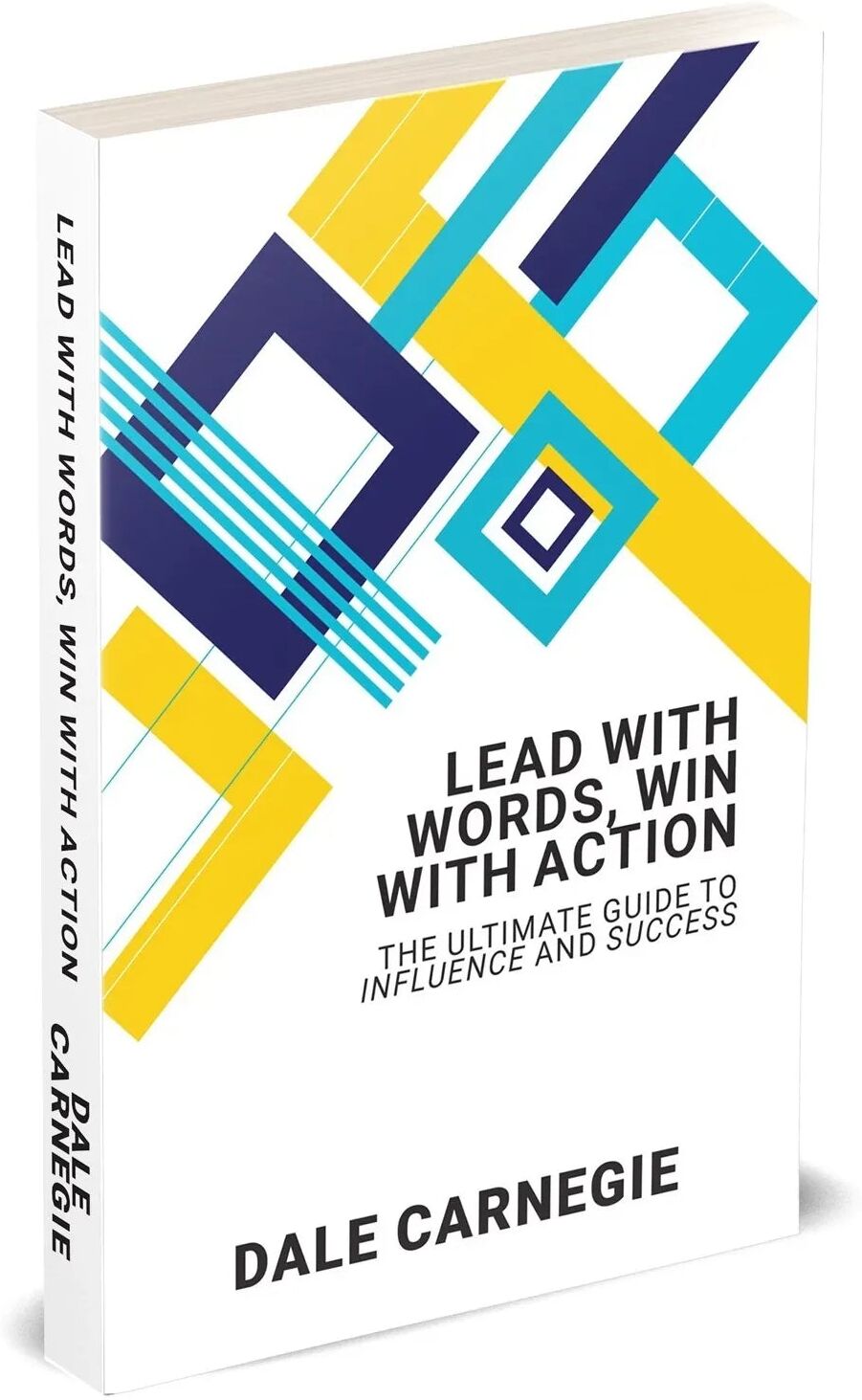
Rupa Publications Lead With Words, Win With Action by Dale Carnegie - Paperback Business & Leadership Self-Help Book - Practical Guide to Influence, CommunicationLead With Words, Win With Action by Dale Carnegie is a practical guide to communicating with confidence and leading with impact. This paperback book distils the enduring principles of Dale Carnegie's philosophy of influence into a modern guide for anyone who wants to build trust, motivate others, and convert conversation into real results. It blends timeless wisdom with actionable strategies for the modern workplace. The book explores how the right combination of language, listening, and follow-through can transform everyday interactions into lasting influence. Chapters cover practical topics such as how to open a conversation, disagree without creating an enemy, and more. Published by Rupa Publications, this book is a concise and energising read for anyone looking to improve their communication skills and leadership abilities.2,99 £*Shipping: 2,99 £Secure redirect to the provider
-
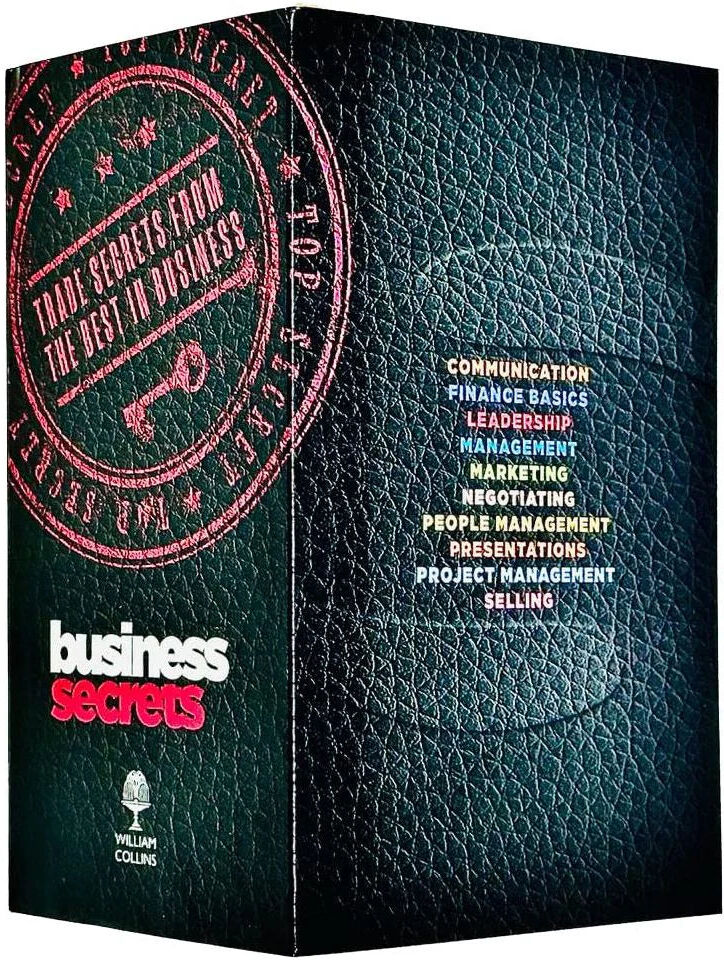
William Collins Collins Business Secrets 10 Books Collection Box Set - Various Authors - Paperback - Leadership, Finance, Marketing & Management GuidesThe Collins Business Secrets 10 Books Collection Box Set brings together ten pocket-sized guides from the trusted Collins Business Secrets series, each written by a specialist author. Covering communication, finance, leadership, management, marketing, negotiating, people management, presentations, project management, and selling, this brand new paperback set distills practical, jargon-free advice into quick, digestible reads. Ideal for professionals, managers, and students, it's a ready-made business library that fits neatly on a shelf and makes a thoughtful gift.14,99 £*Shipping: 2,99 £Secure redirect to the provider
-
How are XML, UML, and HTML related?
XML, UML, and HTML are all related to the representation and organization of data and information. XML (eXtensible Markup Language) is a markup language used to store and transport data, while UML (Unified Modeling Language) is a visual modeling language used to design and document software systems. HTML (Hypertext Markup Language) is a markup language used to create web pages and display content on the internet. While XML and UML are more focused on data and system modeling, HTML is focused on presenting content on the web. All three languages use markup to define the structure and organization of data and information. **
-
How do you represent inner classes in UML?
In UML, inner classes are represented by nesting the inner class within the outer class. This is typically shown by drawing the inner class within the boundary of the outer class. The inner class is connected to the outer class with a dashed line to indicate the containment relationship. The name of the inner class is usually preceded by a "+" symbol to indicate that it is a public member of the outer class. **
-
How to create a UML diagram for subinterfaces?
To create a UML diagram for subinterfaces, you can start by creating a class diagram that represents the main interface and its subinterfaces. Use the generalization relationship to show that the subinterfaces inherit from the main interface. You can also use interfaces and classes to represent the methods and attributes of each interface. Additionally, you can use stereotypes to indicate that a particular interface is a subinterface. Finally, you can use notes or comments to provide additional information about the relationships between the main interface and its subinterfaces. **
-
Where is the best place to learn UML?
The best place to learn UML is through online courses and tutorials offered by reputable platforms such as Udemy, Coursera, or Pluralsight. These platforms offer a variety of UML courses taught by experienced instructors, providing a comprehensive and structured learning experience. Additionally, there are many books and resources available that cover UML in depth, such as "UML Distilled" by Martin Fowler. It's also beneficial to practice applying UML in real-world scenarios through projects and exercises to solidify your understanding. **
* All prices are inclusive of VAT and, if applicable, plus shipping costs. The offer information is based on the details provided by the respective shop and is updated through automated processes. Real-time updates do not occur, so deviations can occur in individual cases. ** Note: Parts of this content were created by AI.