Buy teampro.eu ?
We are moving the project
teampro.eu .
Are you interested in purchasing the domain
teampro.eu ?
domain@kv-gmbh.de · 0541-91531010
Buy teampro.eu ?
What is meant by pre-judging?
Pre-judging, also known as prejudice, refers to forming an opinion or judgment about someone or something before having all the relevant information or facts. It involves making assumptions based on stereotypes, biases, or limited knowledge, rather than taking the time to understand the individual or situation. Pre-judging can lead to unfair treatment, discrimination, and misunderstandings, and it is important to be aware of our own biases and strive to approach people and situations with an open mind. **
Am I judging him too quickly?
It's important to take the time to gather all the necessary information before making a judgment about someone. Consider whether you have all the facts and whether you are making assumptions based on limited information. It's also helpful to consider the context and circumstances that may be influencing the person's behavior. Taking a step back and trying to understand the situation from their perspective can help you make a more informed judgment. **

Similar search terms for Judging
Top-Angebote
Products related to Judging:
-
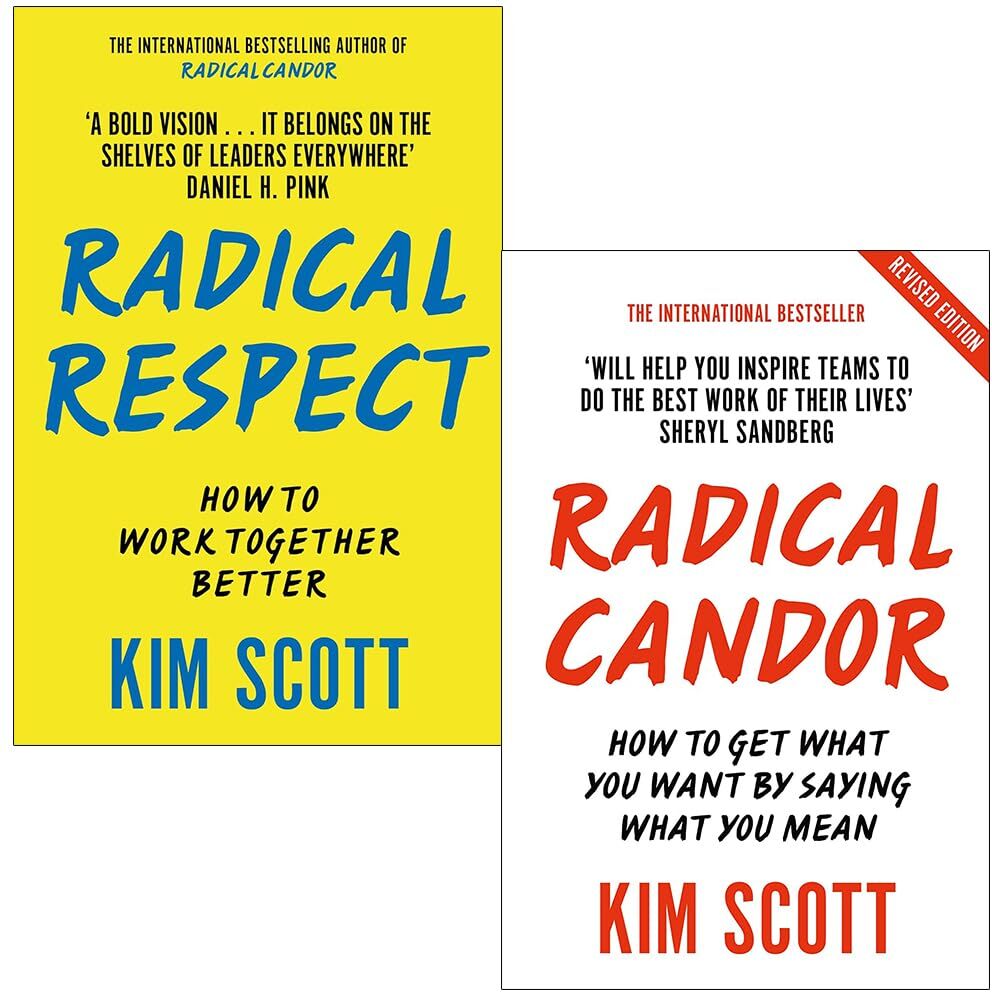
Pan Macmillan Radical Candor by Kim Scott The Bestselling Leadership Book - Management, Feedback & Workplace Culture BookRadical Candor by Kim Scott is a groundbreaking leadership and communication guide that teaches how to give feedback effectively, build trust, and create high-performing teams without becoming harsh—or avoiding difficult conversations. Based on Scott’s experience at Google, Apple and Silicon Valley startups, Radical Candor introduces a simple but powerful framework built on two pillars: Care Personally Challenge Directly The book provides practical tools for giving honest feedback, fostering open communication, strengthening working relationships, and becoming a more compassionate and impactful leader. Perfect for managers, team leaders, HR professionals, and anyone wanting to build a healthy, productive workplace culture. Radical Candor is the perfect handbook for those who are looking to find meaning in their job and create an environment where people love both their work and their colleagues, and are motivated to strive to ever greater success.2,99 £*Shipping: 1,99 £Secure redirect to the provider
-
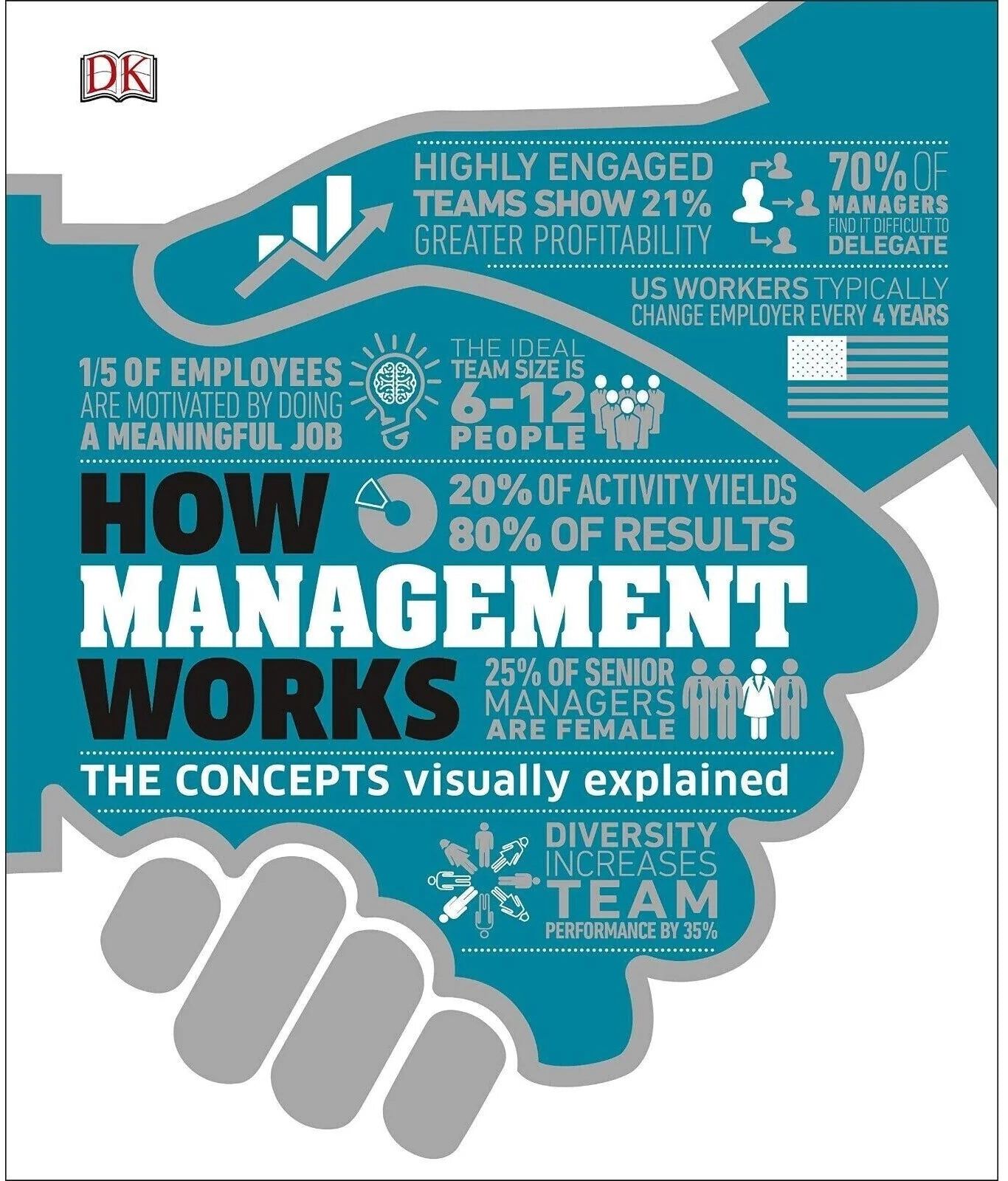
How Management Works: Concepts Visually Explained by DK - Hardback Non Fiction Business & Leadership Visual Guide for ManagersA definitive guide to modern management, 'How Management Works: Concepts Visually Explained' by DK offers clear explanations and bold diagrams to help you understand leadership, communication, strategy, team dynamics, and decision-making. This hardback book is ideal for new and experienced managers, business students, and anyone looking for a practical reference on effective team management. Published by DK as part of their 'How Things Work' visual series, it distills complex management theory into accessible guidance that you can apply immediately.13,49 £*Shipping: 2,99 £Secure redirect to the provider
-
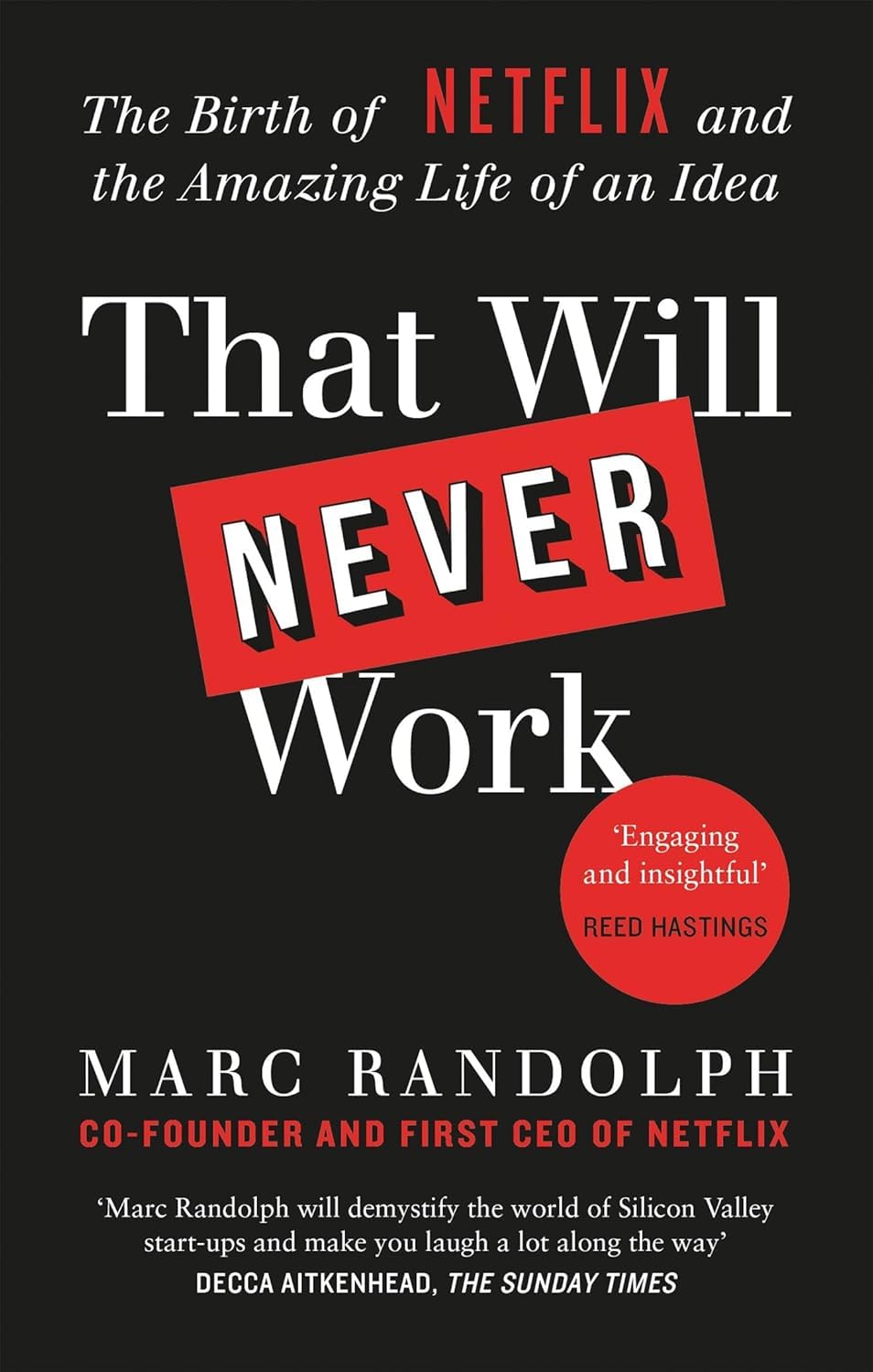
Various Publishers The Diary of a CEO, That Will Never Work & Fierce Conversations 3 Book Paperback Set - Business, Leadership & Communication Skills CollectionThis three-book paperback set brings together some of the sharpest voices in modern business thinking. The set includes The Diary of a CEO, That Will Never Work, and Fierce Conversations. Written by Steven Bartlett, Marc Randolph, and Susan Scott, these books offer timeless lessons from entrepreneurship and thousands of podcast conversations, the extraordinary true story of building Netflix from scratch, and the art of honest, high-impact conversation. Together they form a practical toolkit for anyone building a career, a company, or simply better relationships through clearer communication.29,99 £*Shipping: 2,99 £Secure redirect to the provider
-
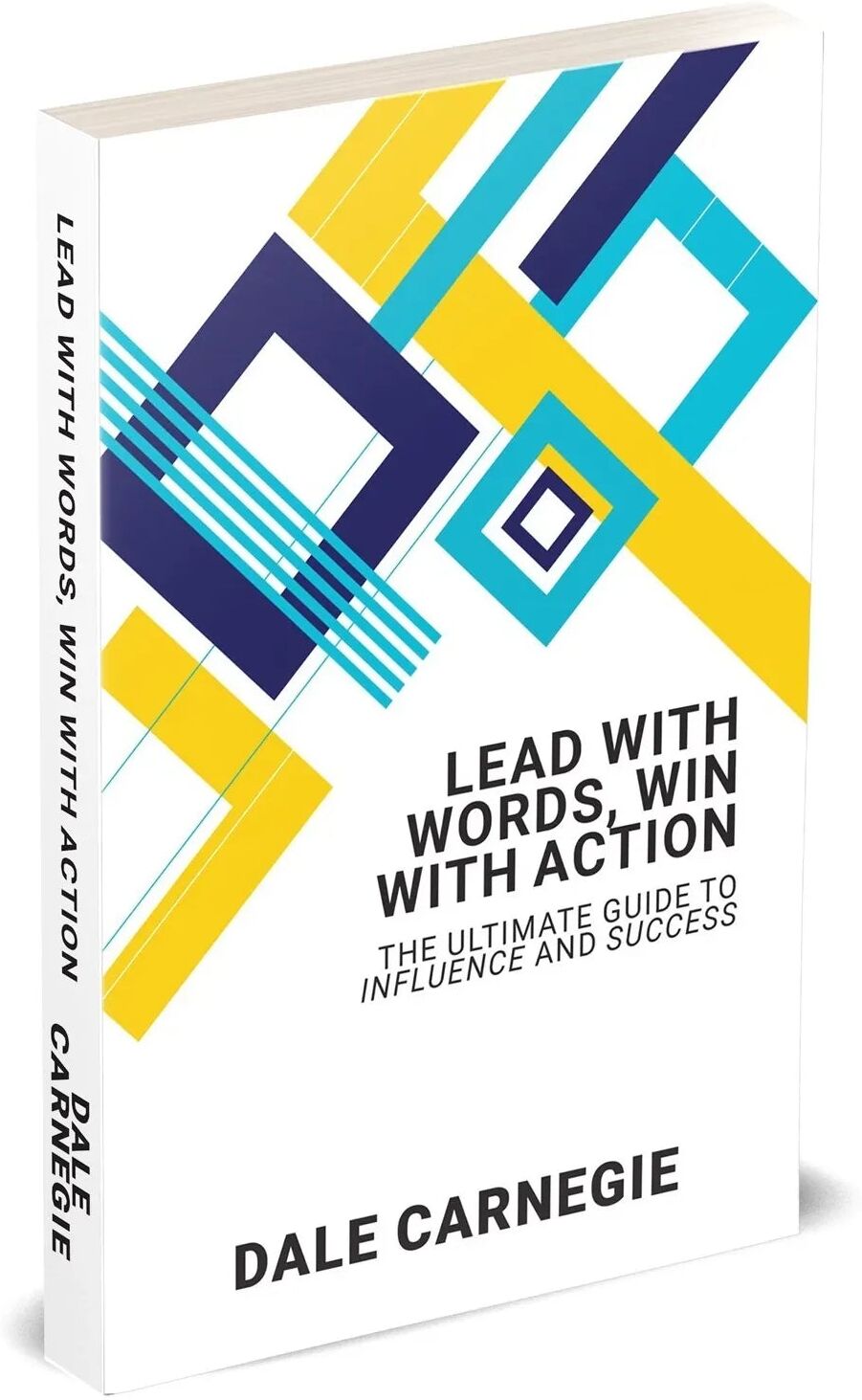
Rupa Publications Lead With Words, Win With Action by Dale Carnegie - Paperback Business & Leadership Self-Help Book - Practical Guide to Influence, CommunicationLead With Words, Win With Action by Dale Carnegie is a practical guide to communicating with confidence and leading with impact. This paperback book distils the enduring principles of Dale Carnegie's philosophy of influence into a modern guide for anyone who wants to build trust, motivate others, and convert conversation into real results. It blends timeless wisdom with actionable strategies for the modern workplace. The book explores how the right combination of language, listening, and follow-through can transform everyday interactions into lasting influence. Chapters cover practical topics such as how to open a conversation, disagree without creating an enemy, and more. Published by Rupa Publications, this book is a concise and energising read for anyone looking to improve their communication skills and leadership abilities.2,99 £*Shipping: 2,99 £Secure redirect to the provider

-
Should one know someone before judging them?
It is important to get to know someone before passing judgment on them. By taking the time to understand a person's background, experiences, and perspectives, we can make more informed and fair assessments. Rushing to judgment without knowing someone can lead to misunderstandings and unfair assumptions. Building a relationship and gaining insight into someone's character can help us form more accurate opinions and treat others with empathy and respect. **
-
What does the Bible say about judging?
The Bible teaches that we should not judge others, as we will be judged in the same way. In Matthew 7:1-2, Jesus says, "Do not judge, or you too will be judged. For in the same way you judge others, you will be judged, and with the measure you use, it will be measured to you." Instead, we are called to show love, mercy, and forgiveness to others, leaving judgment to God. **
-
What is the difference between judging and thinking?
Judging involves forming an opinion or making a decision based on a set of criteria or standards, often with a sense of finality or certainty. On the other hand, thinking is a broader cognitive process that involves analyzing, evaluating, and processing information to come to a conclusion or generate new ideas. Thinking is more open-ended and flexible, allowing for exploration of different perspectives and possibilities, while judging tends to be more focused on making a definitive assessment. **
-
What is the difference between judging and evaluating?
Judging involves forming an opinion or making a decision based on personal values or beliefs, often leading to a more subjective assessment. Evaluating, on the other hand, involves assessing something based on specific criteria or standards, leading to a more objective analysis. While judging can be influenced by emotions and biases, evaluating focuses on gathering evidence and data to make a more informed and rational assessment. **
What is the difference between condemning and judging?
Condemning is expressing strong disapproval or criticism of someone's actions or behavior, often with a sense of moral outrage. It is a more severe form of judgment that typically involves passing a negative verdict on someone's character or actions. Judging, on the other hand, involves forming an opinion or evaluation about someone or something based on certain criteria or standards. While judging can be more neutral and objective, condemning tends to carry a more negative and punitive connotation. **
What is the difference between discussing and judging?
Discussing involves exploring and exchanging ideas, opinions, and perspectives on a topic in a respectful and open-minded manner. It is a collaborative process that seeks to understand different viewpoints and reach a deeper understanding of the subject at hand. On the other hand, judging involves forming an opinion or making a decision about someone or something based on perceived qualities or actions. It often involves a more critical and evaluative approach, which may lead to a conclusion or a determination of value. In summary, discussing is about sharing and understanding different perspectives, while judging is about forming an opinion or making a decision based on those perspectives. **
Top-Angebote
Products related to Judging:
-
Various Publishers How to Talk to Anyone, Next Conversation & Psychology of Management - 3 Book Paperback Set - Communication, Leadership & Management PsychologyThis 3-book collection set brings together three practical, people-focused reads for anyone who wants to communicate better and lead more effectively. Leil Lowndes' classic 'How to Talk to Anyone' pairs with Jefferson Fisher's 'Next Conversation' and a foundational 'Psychology of Management' title to cover everyday conversation, conflict resolution, and workplace psychology in one bundle. Whether you are prepping for interviews, managing a team, or simply want to feel more confident in social situations, this paperback set offers accessible, actionable guidance you can start using immediately. The set includes 'How to Talk to Anyone' by Leil Lowndes, 'Next Conversation' by Jefferson Fisher, and 'Psychology of Management'.20,99 £*Shipping: 2,99 £Secure redirect to the provider
-
MACMILLAN Kim Scott Collection 2 Books Set Radical Respect & Radical Candor – Leadership, Communication & Workplace Culture GuidesThe Kim Scott Collection – 2 Books Set brings together two transformative leadership bestsellers: Radical Respect and Radical Candor. Written by acclaimed workplace expert Kim Scott, these books offer practical, honest, and empowering guidance for building stronger teams, better communication, and healthier workplace cultures. In Radical Candor, Scott introduces her now-famous framework:Care Personally + Challenge Directly.Learn how to deliver feedback effectively, build trust, and lead with clarity without becoming overly harsh or avoiding difficult conversations. In Radical Respect, Scott expands on inclusion, fairness, accountability and anti-bullying frameworks—showing readers how to build workplaces rooted in dignity, psychological safety, and genuine respect. Together, these books provide a complete roadmap for leaders, managers, HR teams and anyone who wants to communicate better, lead with courage, and create workplaces where people thrive.6,99 £*Shipping: 2,99 £Secure redirect to the provider
-
Pan Macmillan Radical Candor by Kim Scott The Bestselling Leadership Book - Management, Feedback & Workplace Culture BookRadical Candor by Kim Scott is a groundbreaking leadership and communication guide that teaches how to give feedback effectively, build trust, and create high-performing teams without becoming harsh—or avoiding difficult conversations. Based on Scott’s experience at Google, Apple and Silicon Valley startups, Radical Candor introduces a simple but powerful framework built on two pillars: Care Personally Challenge Directly The book provides practical tools for giving honest feedback, fostering open communication, strengthening working relationships, and becoming a more compassionate and impactful leader. Perfect for managers, team leaders, HR professionals, and anyone wanting to build a healthy, productive workplace culture. Radical Candor is the perfect handbook for those who are looking to find meaning in their job and create an environment where people love both their work and their colleagues, and are motivated to strive to ever greater success.2,99 £*Shipping: 1,99 £Secure redirect to the provider
-
How Management Works: Concepts Visually Explained by DK - Hardback Non Fiction Business & Leadership Visual Guide for ManagersA definitive guide to modern management, 'How Management Works: Concepts Visually Explained' by DK offers clear explanations and bold diagrams to help you understand leadership, communication, strategy, team dynamics, and decision-making. This hardback book is ideal for new and experienced managers, business students, and anyone looking for a practical reference on effective team management. Published by DK as part of their 'How Things Work' visual series, it distills complex management theory into accessible guidance that you can apply immediately.13,49 £*Shipping: 2,99 £Secure redirect to the provider
-
What is meant by pre-judging?
Pre-judging, also known as prejudice, refers to forming an opinion or judgment about someone or something before having all the relevant information or facts. It involves making assumptions based on stereotypes, biases, or limited knowledge, rather than taking the time to understand the individual or situation. Pre-judging can lead to unfair treatment, discrimination, and misunderstandings, and it is important to be aware of our own biases and strive to approach people and situations with an open mind. **
-
Am I judging him too quickly?
It's important to take the time to gather all the necessary information before making a judgment about someone. Consider whether you have all the facts and whether you are making assumptions based on limited information. It's also helpful to consider the context and circumstances that may be influencing the person's behavior. Taking a step back and trying to understand the situation from their perspective can help you make a more informed judgment. **
-
Should one know someone before judging them?
It is important to get to know someone before passing judgment on them. By taking the time to understand a person's background, experiences, and perspectives, we can make more informed and fair assessments. Rushing to judgment without knowing someone can lead to misunderstandings and unfair assumptions. Building a relationship and gaining insight into someone's character can help us form more accurate opinions and treat others with empathy and respect. **
-
What does the Bible say about judging?
The Bible teaches that we should not judge others, as we will be judged in the same way. In Matthew 7:1-2, Jesus says, "Do not judge, or you too will be judged. For in the same way you judge others, you will be judged, and with the measure you use, it will be measured to you." Instead, we are called to show love, mercy, and forgiveness to others, leaving judgment to God. **
Similar search terms for Judging
-
Various Publishers The Diary of a CEO, That Will Never Work & Fierce Conversations 3 Book Paperback Set - Business, Leadership & Communication Skills CollectionThis three-book paperback set brings together some of the sharpest voices in modern business thinking. The set includes The Diary of a CEO, That Will Never Work, and Fierce Conversations. Written by Steven Bartlett, Marc Randolph, and Susan Scott, these books offer timeless lessons from entrepreneurship and thousands of podcast conversations, the extraordinary true story of building Netflix from scratch, and the art of honest, high-impact conversation. Together they form a practical toolkit for anyone building a career, a company, or simply better relationships through clearer communication.29,99 £*Shipping: 2,99 £Secure redirect to the provider
-
Rupa Publications Lead With Words, Win With Action by Dale Carnegie - Paperback Business & Leadership Self-Help Book - Practical Guide to Influence, CommunicationLead With Words, Win With Action by Dale Carnegie is a practical guide to communicating with confidence and leading with impact. This paperback book distils the enduring principles of Dale Carnegie's philosophy of influence into a modern guide for anyone who wants to build trust, motivate others, and convert conversation into real results. It blends timeless wisdom with actionable strategies for the modern workplace. The book explores how the right combination of language, listening, and follow-through can transform everyday interactions into lasting influence. Chapters cover practical topics such as how to open a conversation, disagree without creating an enemy, and more. Published by Rupa Publications, this book is a concise and energising read for anyone looking to improve their communication skills and leadership abilities.2,99 £*Shipping: 2,99 £Secure redirect to the provider
-
Wilco International LLP How to Win Friends and Influence People by Dale Carnegie Classic Self Help Book on Communication, Leadership, Confidence & Personal DevelopmentDiscover one of the world's best-known personal development books with How to Win Friends and Influence People by Dale Carnegie. First published in 1936, this enduring classic presents practical principles for communicating effectively, building positive relationships and working successfully with other people. Through memorable examples and straightforward advice, Carnegie explores how to make a positive impression, handle disagreements constructively, encourage cooperation and become a more effective communicator. The principles can be applied across everyday life, from personal relationships and social situations to business, management, sales, networking and leadership. Accessible and practical, How to Win Friends and Influence People remains popular with readers interested in improving their communication skills, confidence, interpersonal relationships and professional development. Key Features Classic personal development book by Dale Carnegie Practical principles for improving communication Explores relationships, leadership and interpersonal skills Useful for business, management, sales and networking Helps readers understand effective people skills Suitable for personal and professional development Excellent gift for entrepreneurs, managers and self-improvement readers9,99 £*Shipping: 2,99 £Secure redirect to the provider
-
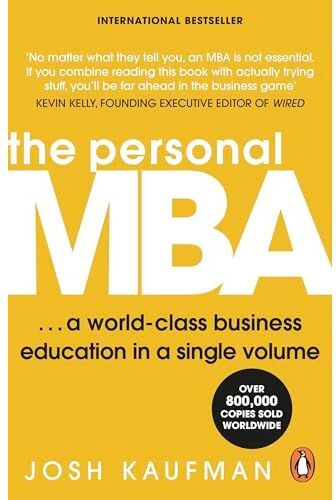
Penguin The Personal MBA: The bestselling business book containing you everything you need to know about marketing, management and leadershipARE YOU TEMPTED TO GO TO BUSINESS SCHOOL? SAVE YOUR MONEY AND READ THE PERSONAL MBA INSTEAD. This bestselling business classic gives you everything you need to transform your business and your career. An MBA at a top business school is an enormous investment in time and cash. And if you don't want to work for a consulting firm or an investment bank, the chances are it simply isn't worth it. The Personal MBA gives you simple mental models for every subject that's key to commercial success. From the basics of products and marketing to the nuances of teamwork and systems, this book distils everything you need to know to take on the MBA graduates and win.10,99 £*Shipping: 2,99 £Secure redirect to the provider
-
What is the difference between judging and thinking?
Judging involves forming an opinion or making a decision based on a set of criteria or standards, often with a sense of finality or certainty. On the other hand, thinking is a broader cognitive process that involves analyzing, evaluating, and processing information to come to a conclusion or generate new ideas. Thinking is more open-ended and flexible, allowing for exploration of different perspectives and possibilities, while judging tends to be more focused on making a definitive assessment. **
-
What is the difference between judging and evaluating?
Judging involves forming an opinion or making a decision based on personal values or beliefs, often leading to a more subjective assessment. Evaluating, on the other hand, involves assessing something based on specific criteria or standards, leading to a more objective analysis. While judging can be influenced by emotions and biases, evaluating focuses on gathering evidence and data to make a more informed and rational assessment. **
-
What is the difference between condemning and judging?
Condemning is expressing strong disapproval or criticism of someone's actions or behavior, often with a sense of moral outrage. It is a more severe form of judgment that typically involves passing a negative verdict on someone's character or actions. Judging, on the other hand, involves forming an opinion or evaluation about someone or something based on certain criteria or standards. While judging can be more neutral and objective, condemning tends to carry a more negative and punitive connotation. **
-
What is the difference between discussing and judging?
Discussing involves exploring and exchanging ideas, opinions, and perspectives on a topic in a respectful and open-minded manner. It is a collaborative process that seeks to understand different viewpoints and reach a deeper understanding of the subject at hand. On the other hand, judging involves forming an opinion or making a decision about someone or something based on perceived qualities or actions. It often involves a more critical and evaluative approach, which may lead to a conclusion or a determination of value. In summary, discussing is about sharing and understanding different perspectives, while judging is about forming an opinion or making a decision based on those perspectives. **
* All prices are inclusive of VAT and, if applicable, plus shipping costs. The offer information is based on the details provided by the respective shop and is updated through automated processes. Real-time updates do not occur, so deviations can occur in individual cases. ** Note: Parts of this content were created by AI.